
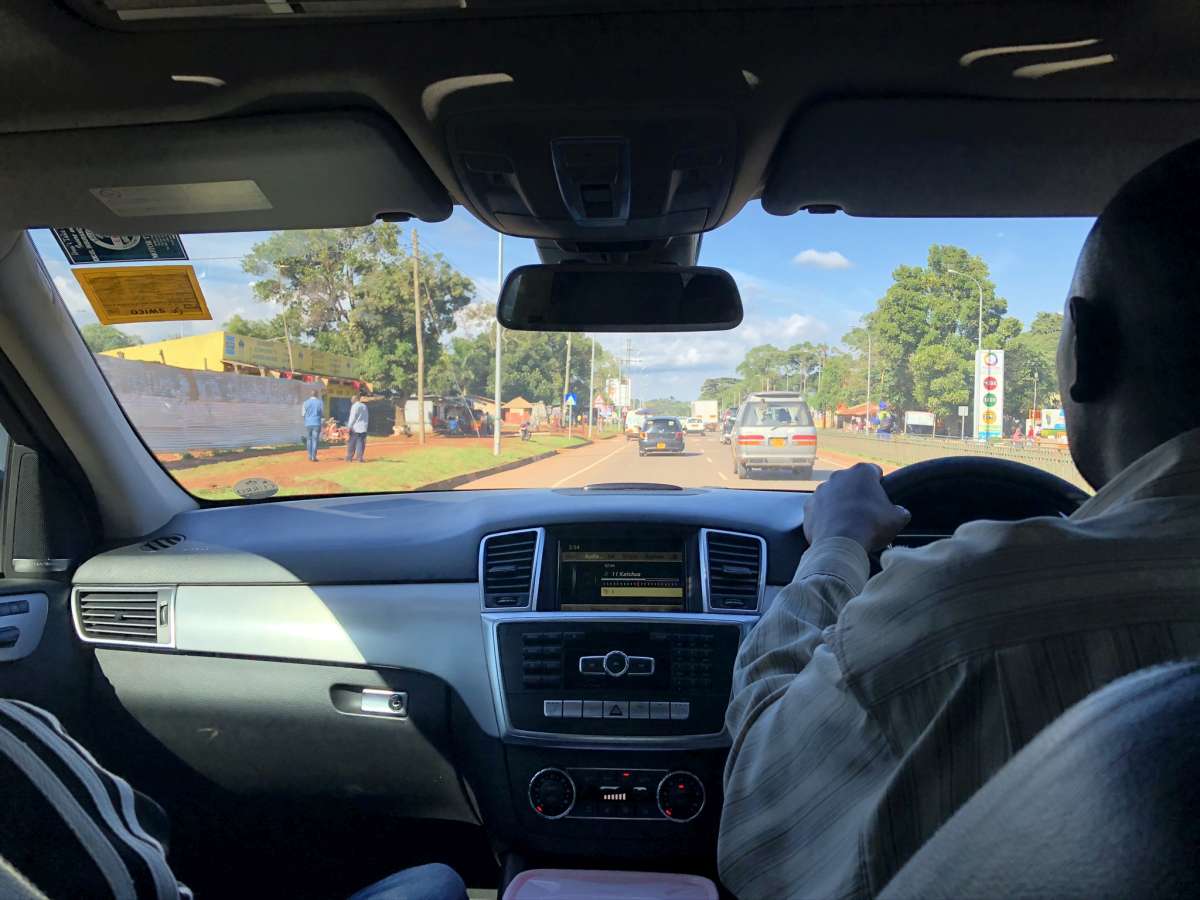
Driving in Kampala has a reputation for being intense, and it is true that the…
The Ultimate Guide to 4×4 Self Drive Uganda Safaris
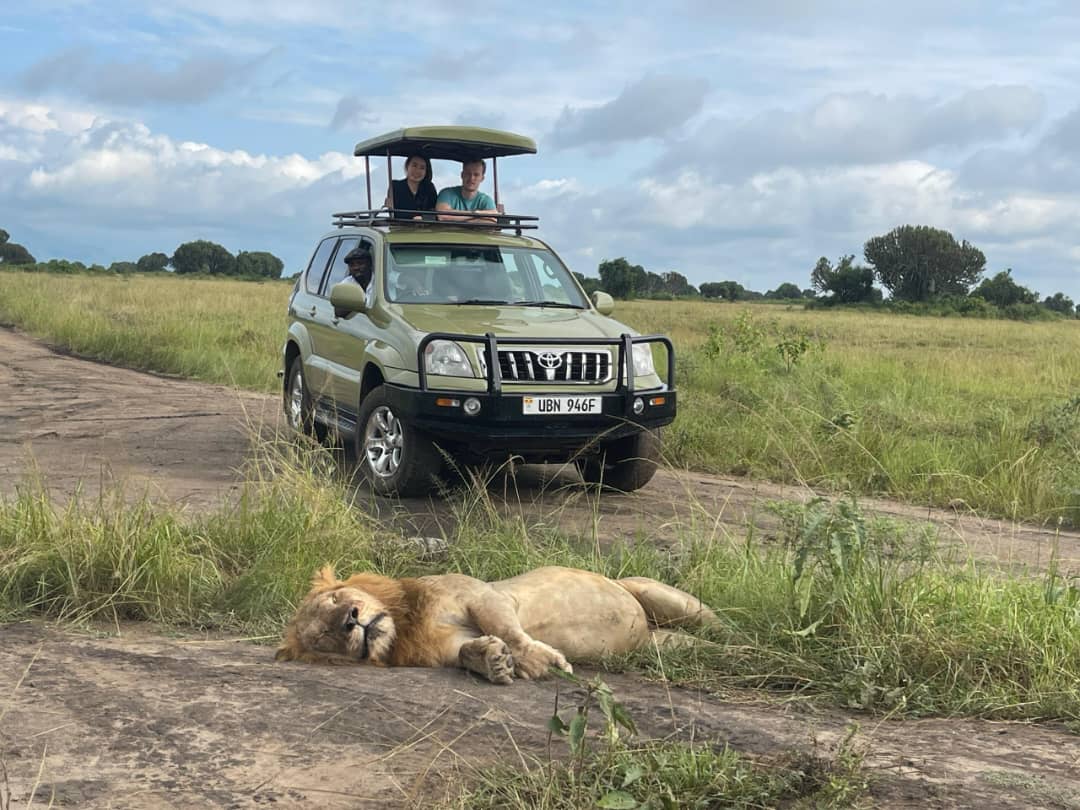
There’s a particular kind of freedom that comes with driving yourself through Uganda — stopping wherever a troop of baboons crosses the road, lingering an extra hour at a viewpoint over the Rift Valley, or waking up early to chase the light over Lake Mburo without waiting on anyone else’s schedule. Self-drive safaris have become one of the most popular ways to experience Uganda, and for good reason: the country’s parks are compact, its roads are improving every year, and a 4×4 gives you the flexibility that a group tour simply can’t.
This guide covers everything you need to plan a 4×4 self-drive safari in Uganda — the best routes, realistic costs, and the practical tips that make the difference between a smooth trip and a stressful one.
Why Self-Drive Safaris Work So Well in Uganda
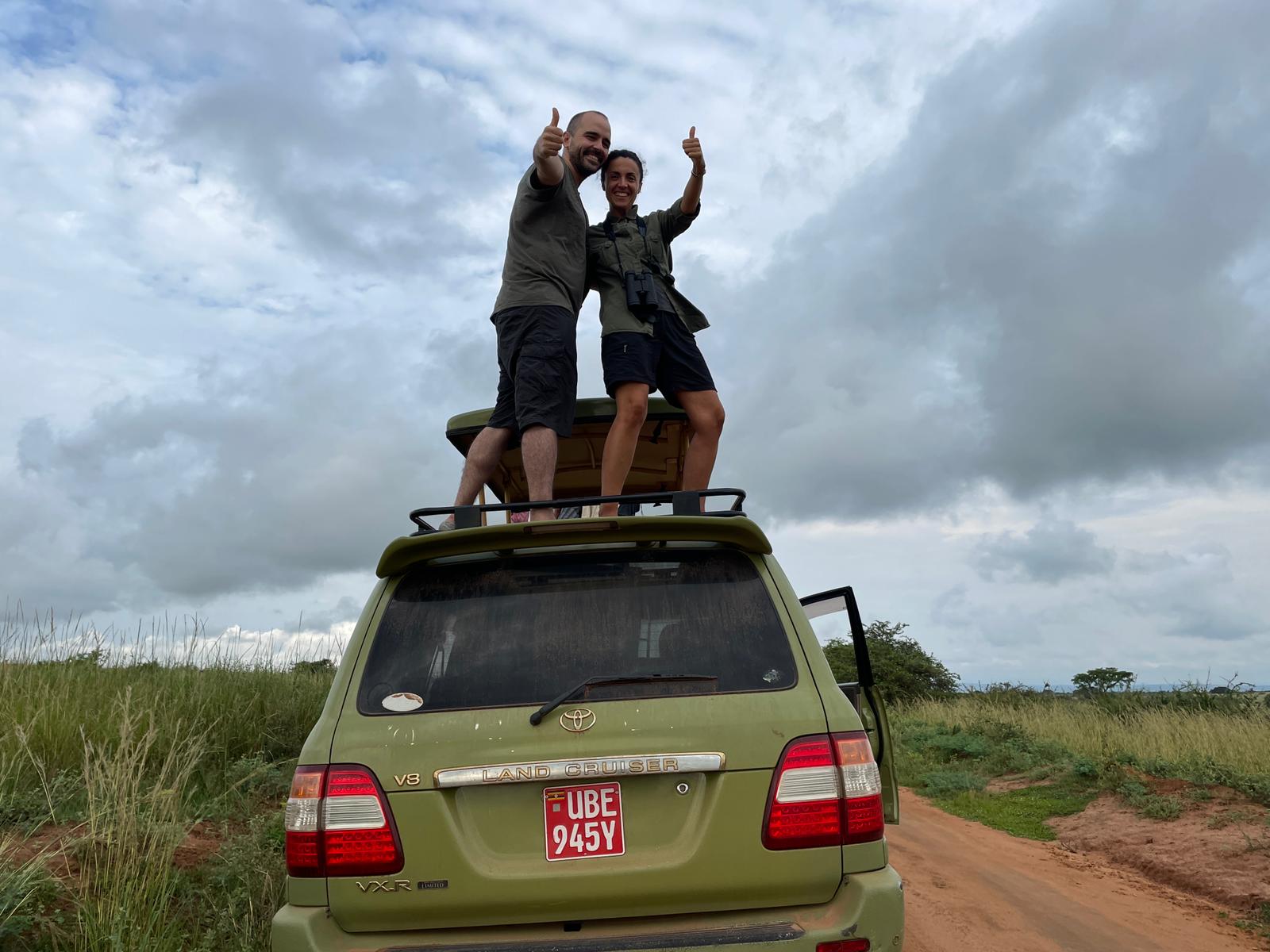
Uganda is often called “the Pearl of Africa” for a reason — within a few hours’ drive from Kampala or Entebbe, you can go from lush rainforest to open savannah to crater-lake highlands. Distances between parks are manageable compared to somewhere like Tanzania, and Uganda’s park entry system is straightforward for self-drivers, with well-marked gates and rangers happy to guide independent travelers.
Self-driving also puts you in control of your pace and budget. You’re not paying for a driver-guide’s daily rate, you can skip the crowded viewpoints, and you decide exactly how long to sit and watch a lion pride without a schedule pulling you away.
The Best 4×4 Self Drive Uganda Safari Routes
1. Kampala/Entebbe → Lake Mburo National Park
The easiest introduction to a Uganda self-drive safari. Roughly a 3–4 hour drive on tarmac, Lake Mburo is compact, malaria-risk is lower than other parks, and it’s the only park in Uganda where you can see zebras. A great first stop to get comfortable with your vehicle before heading further afield.
2. Lake Mburo → Bwindi Impenetrable Forest
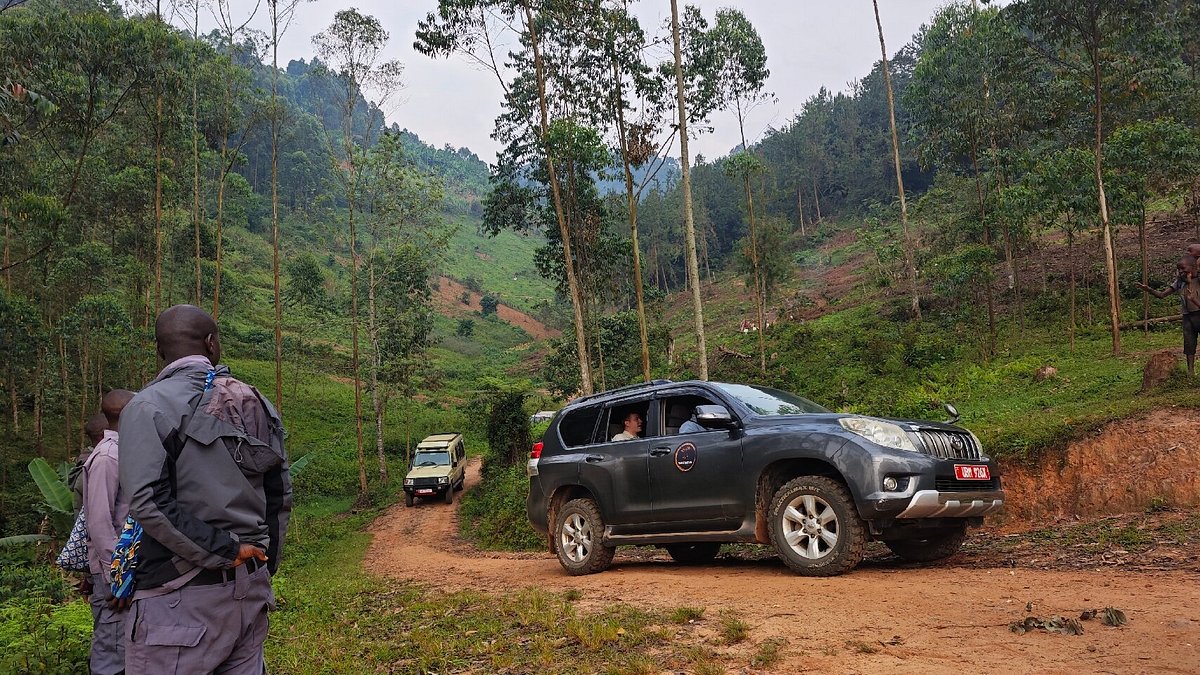
This route takes you into the misty hills of southwestern Uganda, home to mountain gorilla trekking. Roads here involve steep, winding sections, and the last stretch into Bwindi is unpaved and can get slippery in the rain — a genuine 4×4 with good clearance is essential, not optional.
3. Bwindi → Queen Elizabeth National Park
A scenic drive through the Ishasha sector, famous for its tree-climbing lions. Expect a mix of tarmac and dirt tracks, plus game-viewing roads inside the park itself that require careful, slow driving.
4. Queen Elizabeth → Kibale Forest (Chimpanzee Trekking)
A shorter, more relaxed leg connecting savannah scenery to dense rainforest — home to some of the best chimpanzee trekking in East Africa.
5. Kampala → Murchison Falls National Park
A popular route north, following the Nile toward the dramatic Murchison Falls, where the entire river forces itself through a gap roughly seven meters wide. Roads have improved significantly in recent years, though a 4×4 is still recommended for the park’s internal game tracks.
6. Kampala → Kidepo Valley National Park
The ultimate self-drive adventure route — remote, rugged, and one of the least-visited parks in Africa. This is a long drive (allow a full day or plan an overnight stop), through some of Uganda’s most dramatic and least-developed terrain. Only attempt this route in a properly equipped 4×4 with extra fuel and full off-road capability.
What a 4×4 Self Drive Safari Actually Costs
Costs vary depending on vehicle type, trip length, and season, but here’s a realistic breakdown to help you budget:
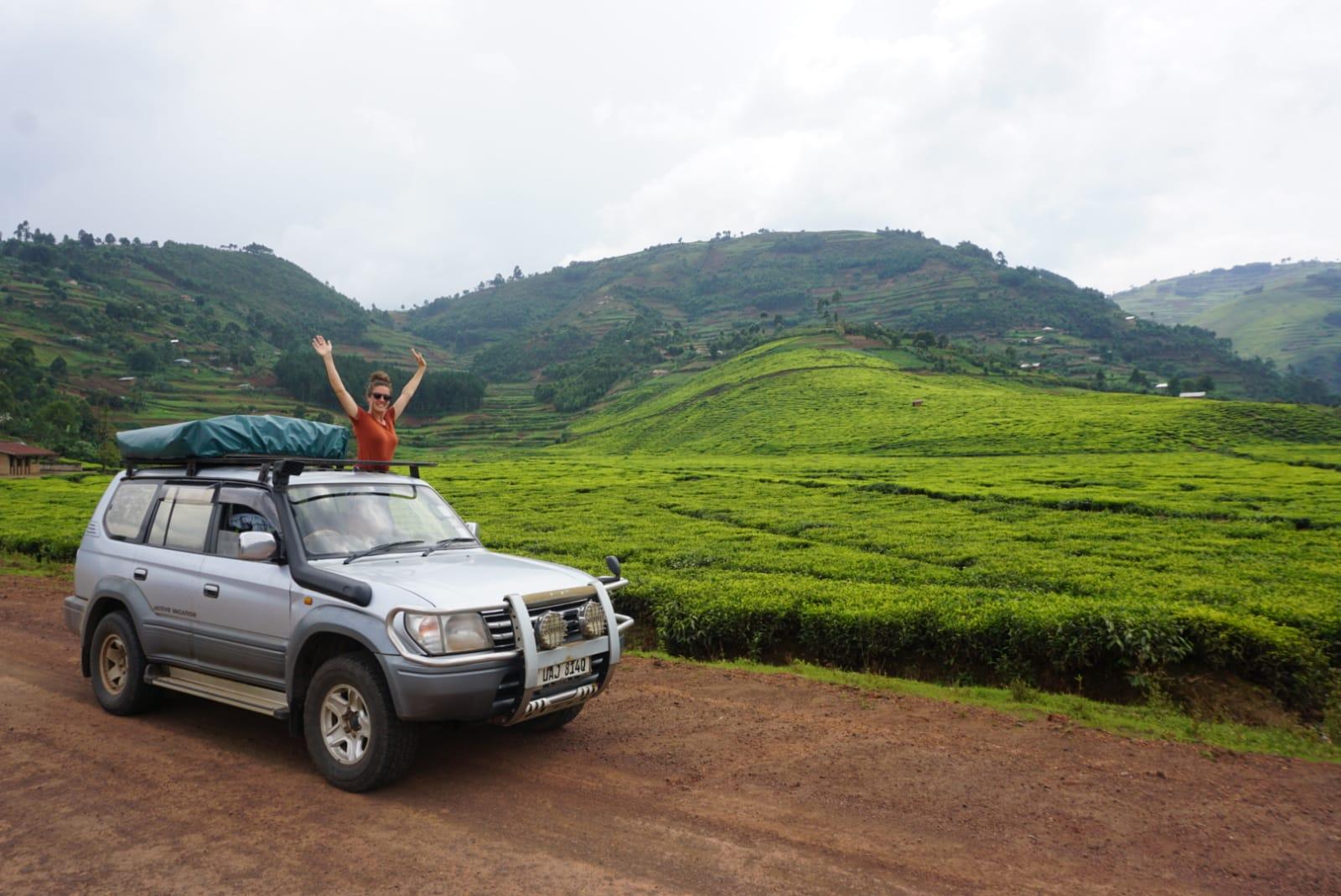
- 4×4 vehicle rental: Typically charged per day, with rates depending on vehicle size and specification (compact SUV vs. full safari-spec Land Cruiser). Longer rentals (7+ days) usually bring the daily rate down.
- Fuel: Budget generously — remote park routes burn more fuel than highway driving, and fuel stations are sparse once you’re off the main roads.
- Park entry fees: Charged per person, per vehicle, and per day, and vary by park and by nationality (East African residents, foreign residents, and non-resident visitors are priced differently).
- Gorilla and chimpanzee trekking permits: A separate, significant cost if these activities are on your itinerary — these are limited in number and should be booked well in advance.
- Accommodation: Ranges from budget campsites to mid-range lodges to high-end tented camps, and will likely be your single biggest daily expense after permits.
- Insurance and excess: Always factor in the vehicle’s insurance excess as a contingency, not an afterthought.
The best way to get an accurate number for your specific trip is to share your route, group size, and travel dates directly with your rental company — vehicle and route combinations vary enough that generic estimates rarely hold up.
Expert Tips for a Smooth 4×4 Self Drive Uganda Safari
Book the right vehicle for your actual route, not the cheapest option available. A route that includes Kidepo, Ishasha, or rainy-season Bwindi needs a genuine 4×4 with high clearance — not just a car with “4WD” written on the badge.
Start and end game drives with daylight to spare. Uganda’s parks generally require you to be inside gates before dusk and out by a set time — plan your driving day around this, not around convenience.
Carry cash in small denominations. Many park gates, community campsites, and small fuel stations outside major towns don’t accept cards.
Download offline maps before you leave Kampala. Phone signal disappears fast once you’re deep in a park, and offline maps (or a dedicated GPS unit) are far more reliable than relying on data.
Respect animal distance rules, even when no ranger is watching. Elephants and buffalo are responsible for more serious incidents involving self-drive tourists than any predator — give them space and never get between a mother and her young.
Keep your rental company’s emergency number saved and easily accessible, not buried in an email. A flat tyre in Kidepo is a minor delay if help is a phone call away — a real problem if it isn’t.
Pack a physical paper map as backup. Technology fails; a map doesn’t.
Confirm your insurance excess and 24/7 support before you drive off, not after something goes wrong.
Planning Your Route: A Sample 10-Day Self-Drive Itinerary
- Days 1–2: Entebbe → Lake Mburo National Park (game drive, boat trip)
- Days 3–4: Lake Mburo → Bwindi Impenetrable Forest (gorilla trekking)
- Days 5–6: Bwindi → Queen Elizabeth National Park via Ishasha (tree-climbing lions, boat cruise on the Kazinga Channel)
- Day 7: Queen Elizabeth → Kibale Forest (chimpanzee trekking)
- Days 8–9: Kibale → Kampala, or extend north toward Murchison Falls if time allows
- Day 10: Return vehicle in Kampala/Entebbe
This itinerary can easily flex shorter (skip Kibale) or longer (add Kidepo or Murchison Falls) depending on how much time you have.
Ready to Plan Your Self-Drive Safari?
A 4×4 self drive safari in Uganda is one of the most rewarding ways to see the country — but it depends entirely on having the right vehicle, a realistic budget, and support you can actually reach when you need it.
Rent 4×4 Car Uganda specializes in matching self-drive travelers with the right vehicle for their exact route, providing transparent costs with no hidden surprises, and backing every rental with 24/7 support across the entire country — from Lake Mburo to Kidepo Valley.
📧 Email: info@rent4x4caruganda.com 📞 Phone / WhatsApp: +256 700 135 510
Get in touch today, tell us your route and dates, and we’ll help you plan a self-drive safari built for exactly the trip you want to take.

Related Posts
