Packing for a safari you drive yourself is different from packing for a guided tour.…
The Ultimate Guide to Self-Drive 4×4 Car Rental in Uganda
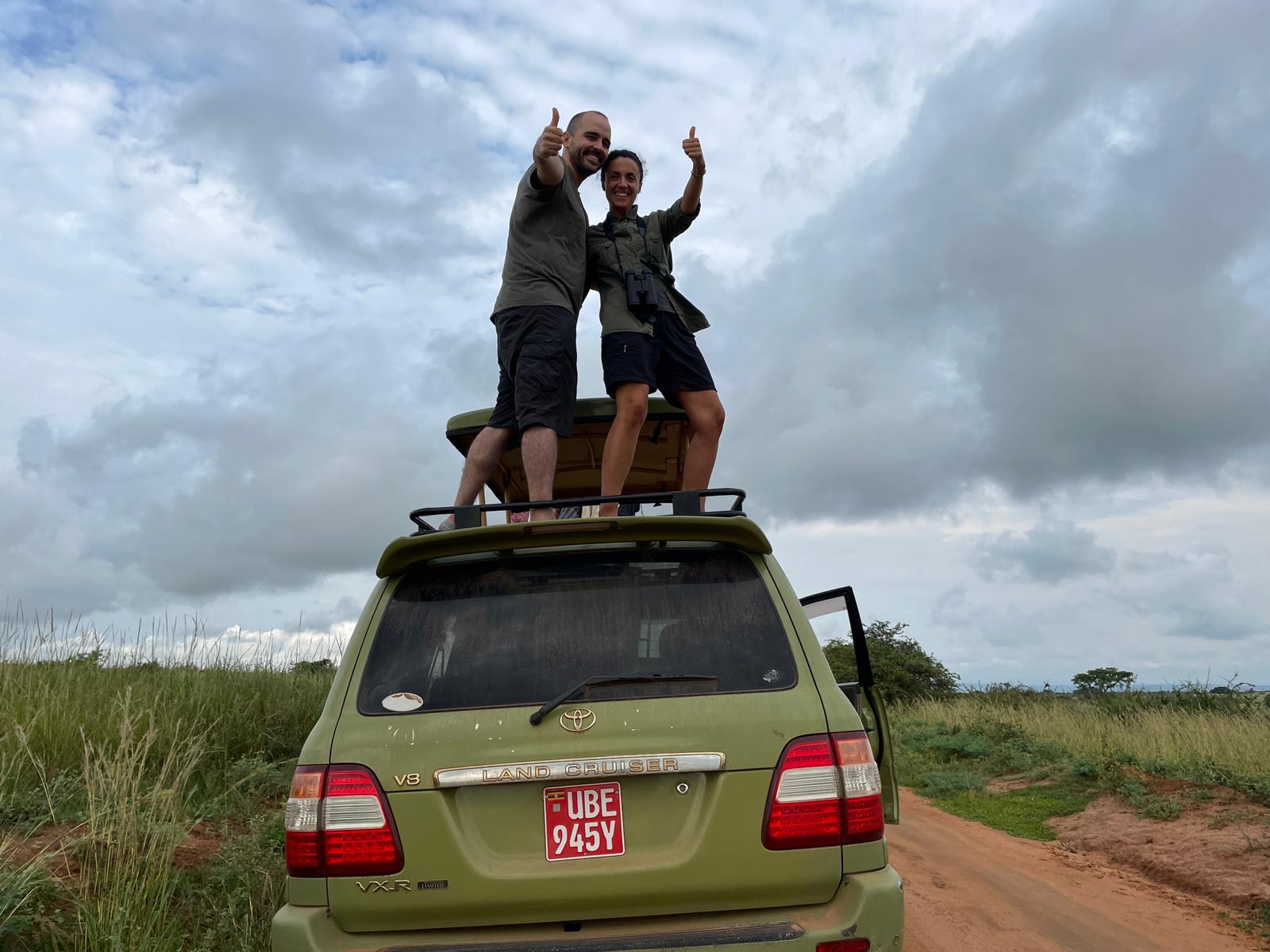
Uganda is not a country you experience from a distance. Its magic is tactile — the red murram dust that coats your windscreen on a western highlands road, the sudden appearance of a silverback through the morning mist, the Nile glinting below as you crest a hill you had no idea was coming. To experience Uganda on its own terms, you need to get deep into it. And to get deep into it, you need a proper 4×4.
Self-drive 4×4 car rental in Uganda is one of the most liberating ways to travel in East Africa. No fixed departures, no group compromises, no tour van separating you from the landscape. Just you, a capable vehicle, and roads that will test and reward you in equal measure. This guide covers everything you need to know before you turn the key.
Why a 4×4 is non-negotiable in Uganda
Uganda’s tarmac network has improved substantially in recent years. The Kampala–Entebbe Expressway is smooth and fast, the Fort Portal road is largely reliable, and the highway south toward Mbarara is well maintained. But the moment you leave the main corridors — which is precisely when Uganda becomes extraordinary — the tarmac ends and the adventure begins.
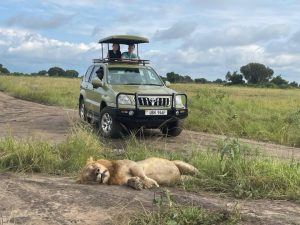
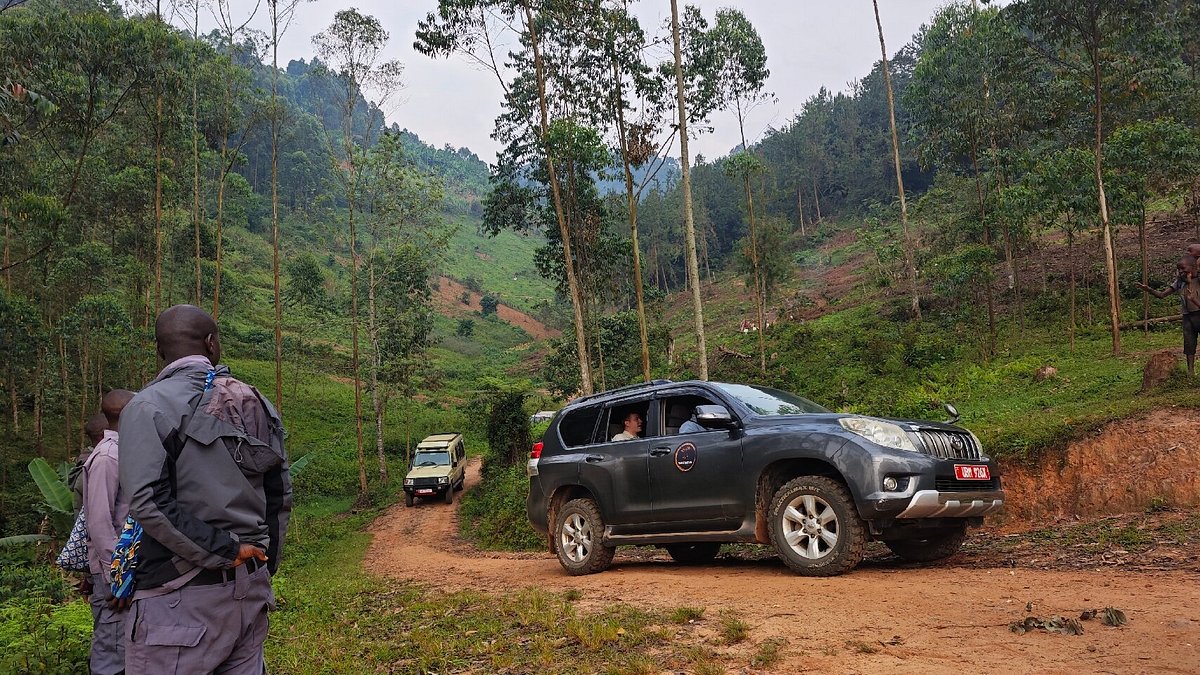
The roads inside Bwindi Impenetrable Forest, Kidepo Valley National Park, the Ishasha sector of Queen Elizabeth National Park, and the remote reaches of Murchison Falls are unpaved, often deeply rutted, and dramatically affected by rainfall. A sedan or standard crossover will leave you stranded. A true 4×4 — high ground clearance, low-ratio transfer case, all-terrain tyres, robust suspension — handles these roads with confidence and keeps you moving when conditions deteriorate.
Beyond park access, the sheer topography of western and southwestern Uganda demands it. The Kigezi highlands around Bwindi are steep, winding, and frequently wet. Roads that look passable on a map can hide erosion gullies and loose rock beneath a deceptively smooth surface. A 4×4 is not overcaution — it is the baseline requirement for responsible, safe self-drive travel in Uganda.
Choosing the right 4×4 for your trip
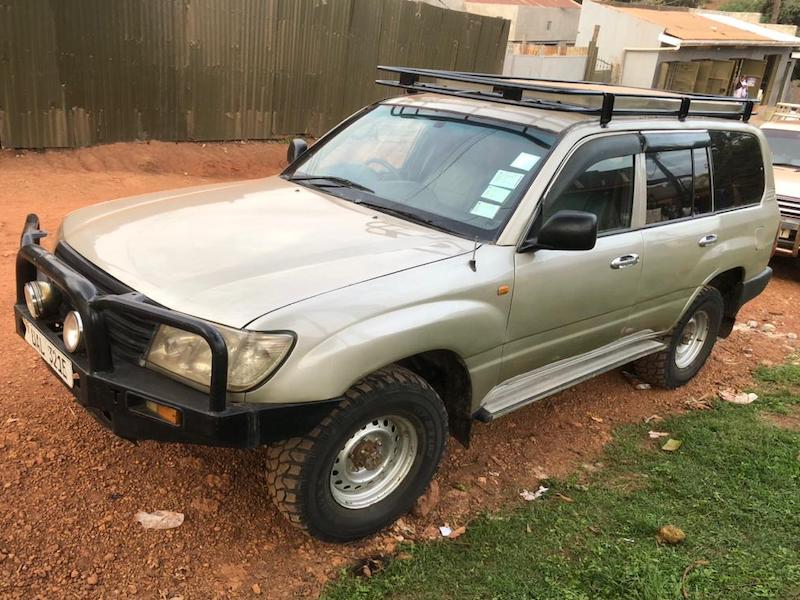
The Toyota Land Cruiser is the vehicle of choice for Uganda self-drive safaris, and for good reason. It has been the workhorse of East African exploration for decades, spare parts are available in every major town, and local mechanics know the engine the way a pianist knows scales. Within the Land Cruiser family, two variants dominate the rental market.
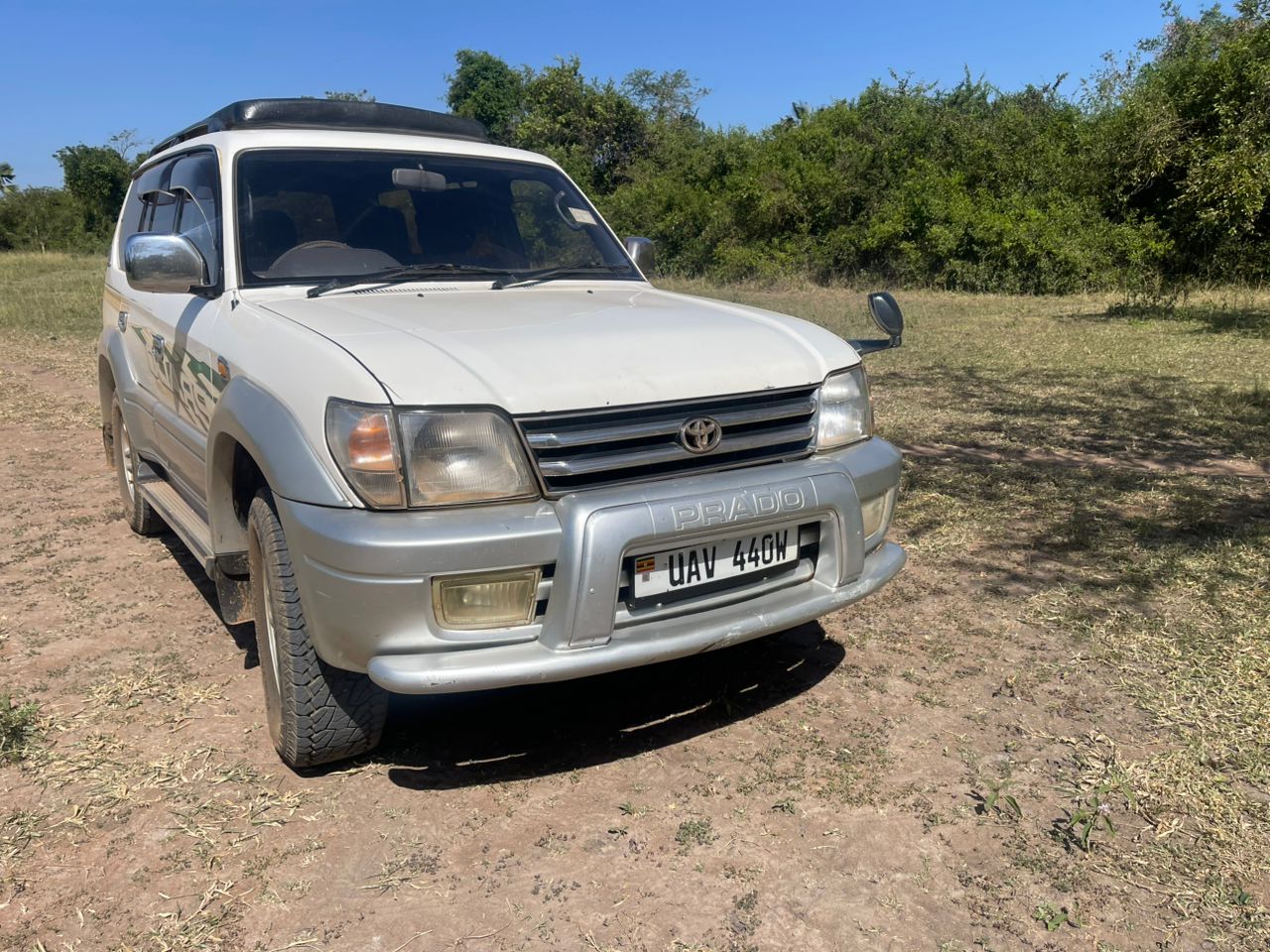
The Land Cruiser 70 Series — particularly the hardtop station wagon — is the pure safari machine. Built for punishment, with a diesel engine that delivers outstanding torque on steep climbs and a suspension setup designed for heavily loaded off-road use. This is the vehicle for Kidepo, for Bwindi, for the Ishasha sector in the wet season.
The Land Cruiser 80 or 200 Series offers a more comfortable ride — better seats, air conditioning that actually works, and a more refined driving experience — while retaining the four-wheel drive credentials needed for national park roads. For self-drivers who want capability without sacrificing comfort on long tarmac stretches, this is the more balanced choice.
Both variants are widely available from Entebbe and Kampala-based rental operators, typically with pop-up roof options for safari game viewing, roof racks, and camping equipment packages that include tents, sleeping bags, a gas cooker, and a cool box.
What your rental should include — and what to check
A well-equipped 4×4 rental in Uganda should come standard with a full-size spare tyre — not a space-saver — along with a jack, wheel brace, tow rope, and a basic tool kit. Confirm these are present and functional before you leave the lot. A second spare is worth requesting for remote itineraries involving Kidepo or the northern parks where tyre damage on rocky tracks is a genuine possibility.
GPS or a downloaded offline map — Google Maps offline or Maps.me cover Uganda well — is essential. Mobile data connectivity is reasonable in towns and along main roads but drops entirely in national parks and remote areas. Download your routes before you leave Kampala.
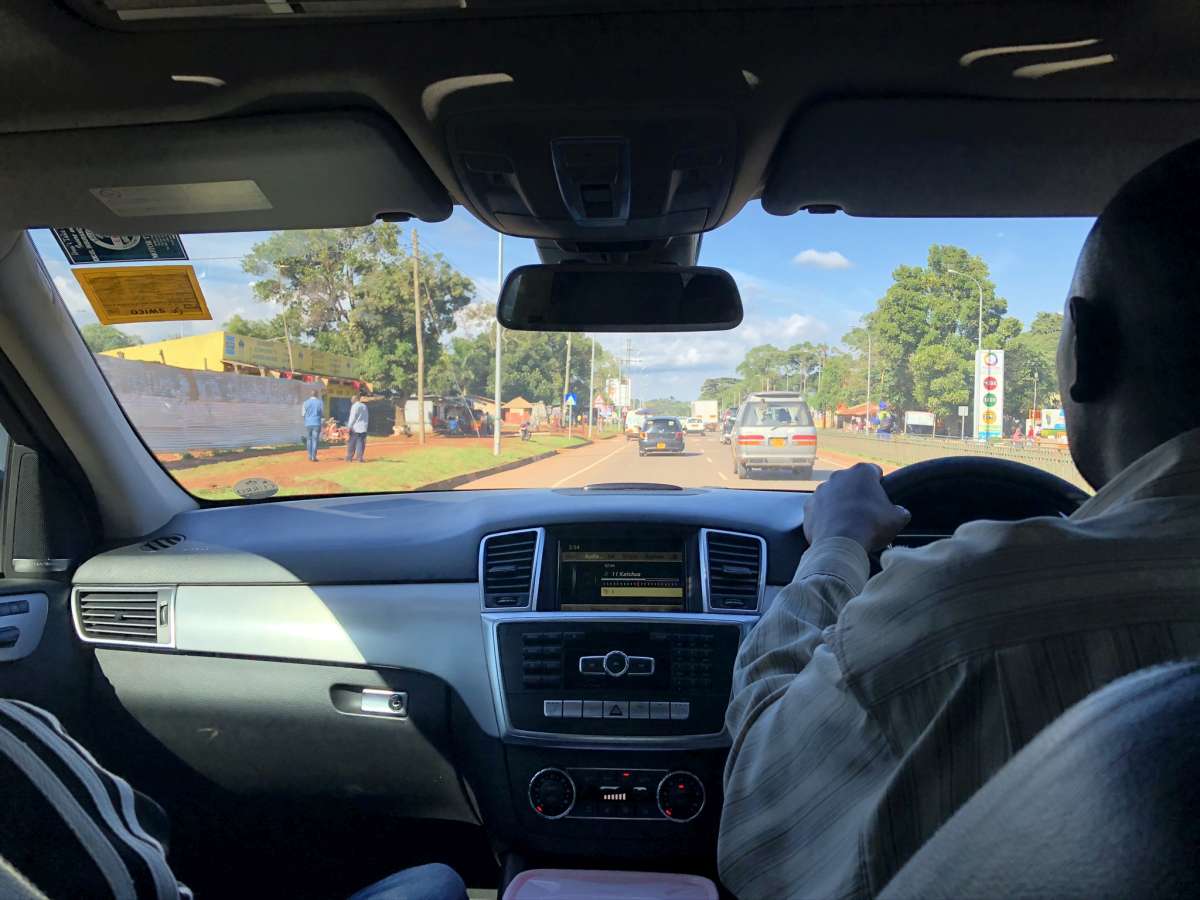
Check the vehicle’s documentation carefully: the log book, third-party insurance certificate, and national park entry authorisation if the operator provides it. At park gates, rangers will ask for the vehicle registration and your permit. Having everything organised in a single document folder saves significant time and stress.
Fuel range matters more than many self-drivers anticipate. Some stretches in northern Uganda between Gulu and Kidepo have no fuel stations for over 150 kilometres. Carry a 20-litre jerry can as backup on any northern or remote itinerary. Diesel is the preferred fuel for all Land Cruiser variants — confirm your vehicle’s fuel type explicitly at pickup.
The rules of the road in Uganda
Uganda drives on the left, inherited from the British colonial period. The national speed limit is 80 kilometres per hour on open roads and 50 in urban areas, though actual road conditions will often keep you well below these limits on unpaved routes. Speed bumps — called “sleeping policemen” locally — appear with little warning on the edges of every town and trading centre. Hit one at speed and you will feel it in both the vehicle and your spine.
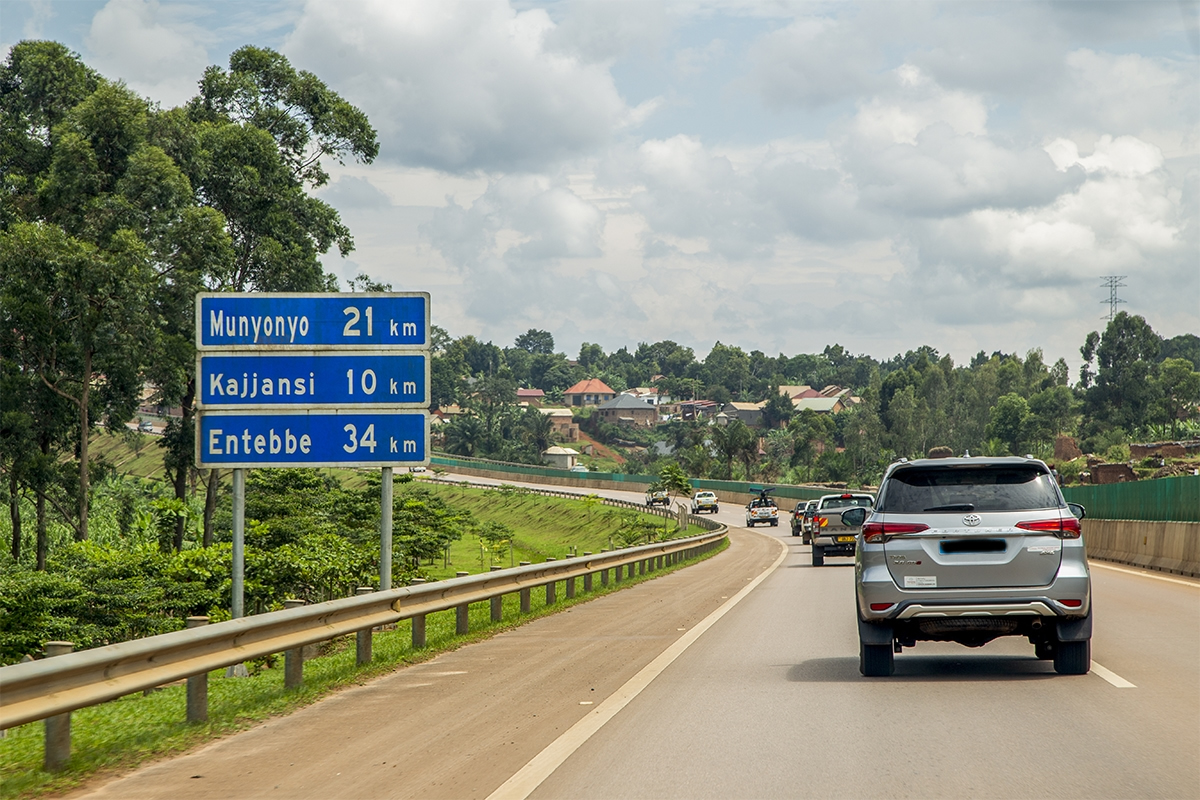
Boda-bodas deserve particular attention. These motorcycle taxis are everywhere, they move fast, and they change direction without signalling. Give them wide berth at all times, especially near market areas and town junctions. Slow down significantly when passing any roadside activity — markets, schools, and church services spill onto the road in ways that demand constant alertness.
Police checkpoints are common on major routes. Stop calmly, have your licence, IDP, and vehicle documents ready, and engage politely. The process is routine and rarely takes more than a few minutes when documentation is in order.
Driving at night is strongly discouraged. Unlit vehicles — including trucks, matatus, and even stray cattle — make night driving genuinely hazardous. Plan your daily stages to arrive at your accommodation before dark, build in buffer time on long days, and resist the urge to push on after sunset regardless of how close your destination feels on the map.
Self-drive itinerary highlights for 2026
The most popular self-drive route combines chimpanzee tracking in Kibale forest, Queen Elizabeth National Park for game drives and the Kazinga Channel boat cruise, Bwindi Impenetrable Forest for gorilla trekking, and Lake Mburo National Park on the return leg to Entebbe. This western circuit takes a minimum of eight days at a realistic pace and covers approximately 1,200 kilometres of varied road conditions — an excellent representation of Uganda’s driving landscape.
For the more adventurous, the northern route to Kidepo Valley National Park is increasingly popular in 2026. Kidepo sits in the remote Karamoja region near the South Sudan border, receives fewer than 15,000 visitors per year, and delivers lion sightings, cheetahs, and vast untouched savannah in an atmosphere of almost total solitude. The road from Gulu is long, occasionally rough, and deeply rewarding.
Self-drive 4×4 travel in Uganda is not for the passive tourist. It asks something of you — attention, patience, a willingness to adapt when the road has other ideas. In return, it gives you Uganda unfiltered: the roadside markets, the schoolchildren waving from red-dust verges, the moment the track crests a ridge and reveals a valley so green and vast it stops your breath entirely. No itinerary, no driver, no tour operator puts that in front of you. The road does. And the road, in Uganda, is very much worth driving.
To book a 4×4 rental car in Uganda for self drive safari adventure- simply contact us now by sending an email to info@rent4x4caruganda.com or call us now on +256-700135510 to speak with the reservations team.
Ready to plan your self-drive 4×4 adventure? Start with your permits, book your vehicle early, and let Uganda do the rest. Contact us today by emailing to info@rent4x4caruganda.com or calling +256-700135510 to speak with the reservations team.

Related Posts