Driving in Kampala has a reputation for being intense, and it is true that the…
Pop Up Roof Land Cruiser: Best 4×4 Car for Uganda Safaris
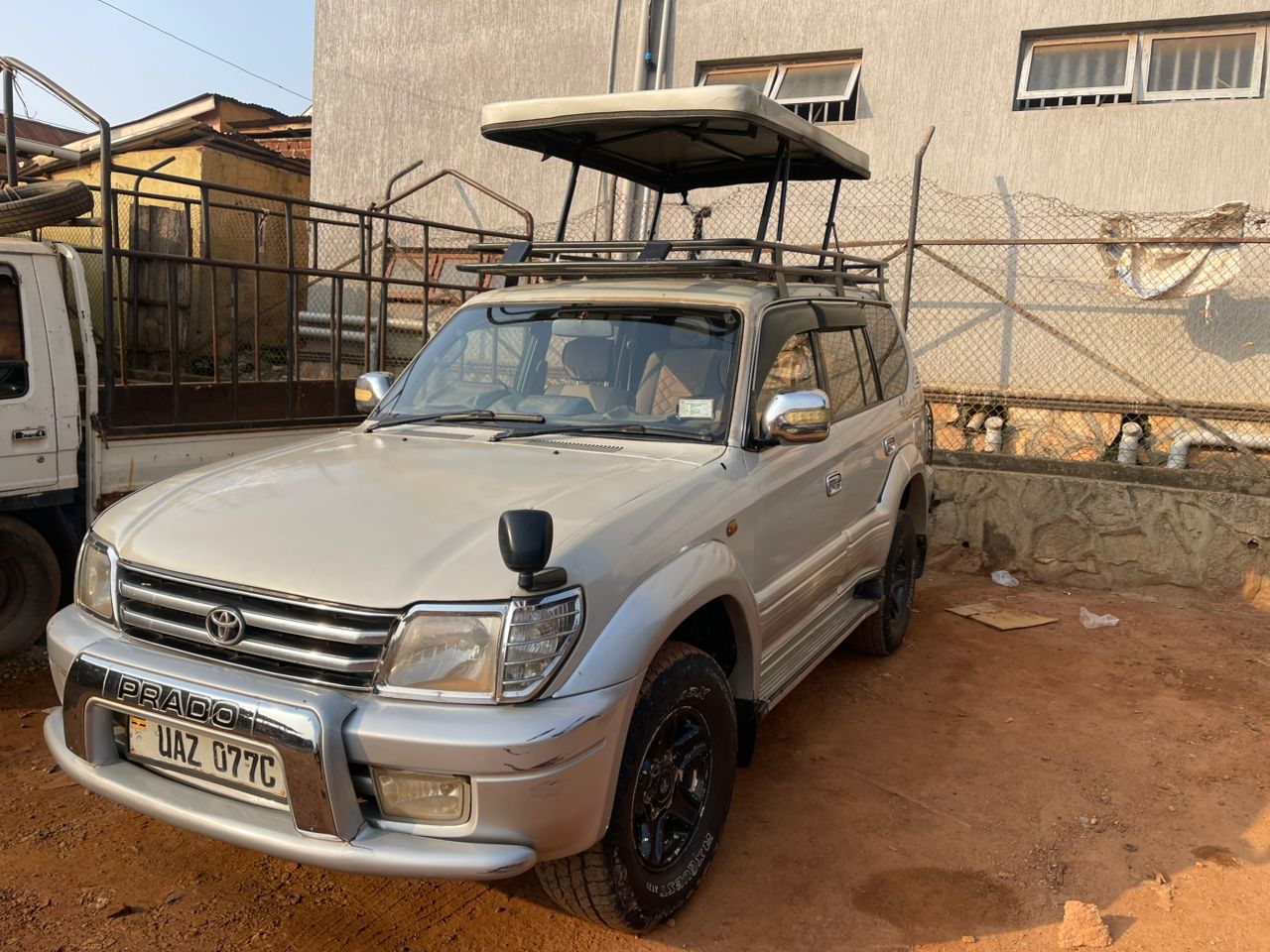
When planning a wildlife safari in Uganda, one decision towers above all others: choosing the right vehicle. While various options exist—from budget safari vans to luxury SUVs—experienced safari-goers and professional guides consistently recommend one vehicle above all: the pop-up roof Land Cruiser. Here’s why you should rent a pop-up roof Land cruiser in Uganda for game drives across the spectacular national parks and tourist attractions in the Pearl Of Africa.
What Makes the Pop-Up Roof Special?
The pop-up roof is the defining feature that transforms a standard Land Cruiser into the ultimate game-viewing platform. Unlike a simple sunroof or roof hatch that accommodates one or two people, a pop-up roof can be raised to allow up to eight passengers to stand simultaneously, creating a 360-degree viewing experience that’s simply unmatched.
The design is ingeniously practical. The roof section lifts quickly and quietly—crucial when you don’t want to disturb nearby wildlife—and provides partial shade while still offering unobstructed views in every direction. When lowered, it creates a fully enclosed vehicle for comfortable travel between parks or during inclement weather. When raised, it transforms your vehicle into an elevated observation deck that puts you at the perfect height for photographing elephants, tracking lions, or watching giraffes browsing treetops.
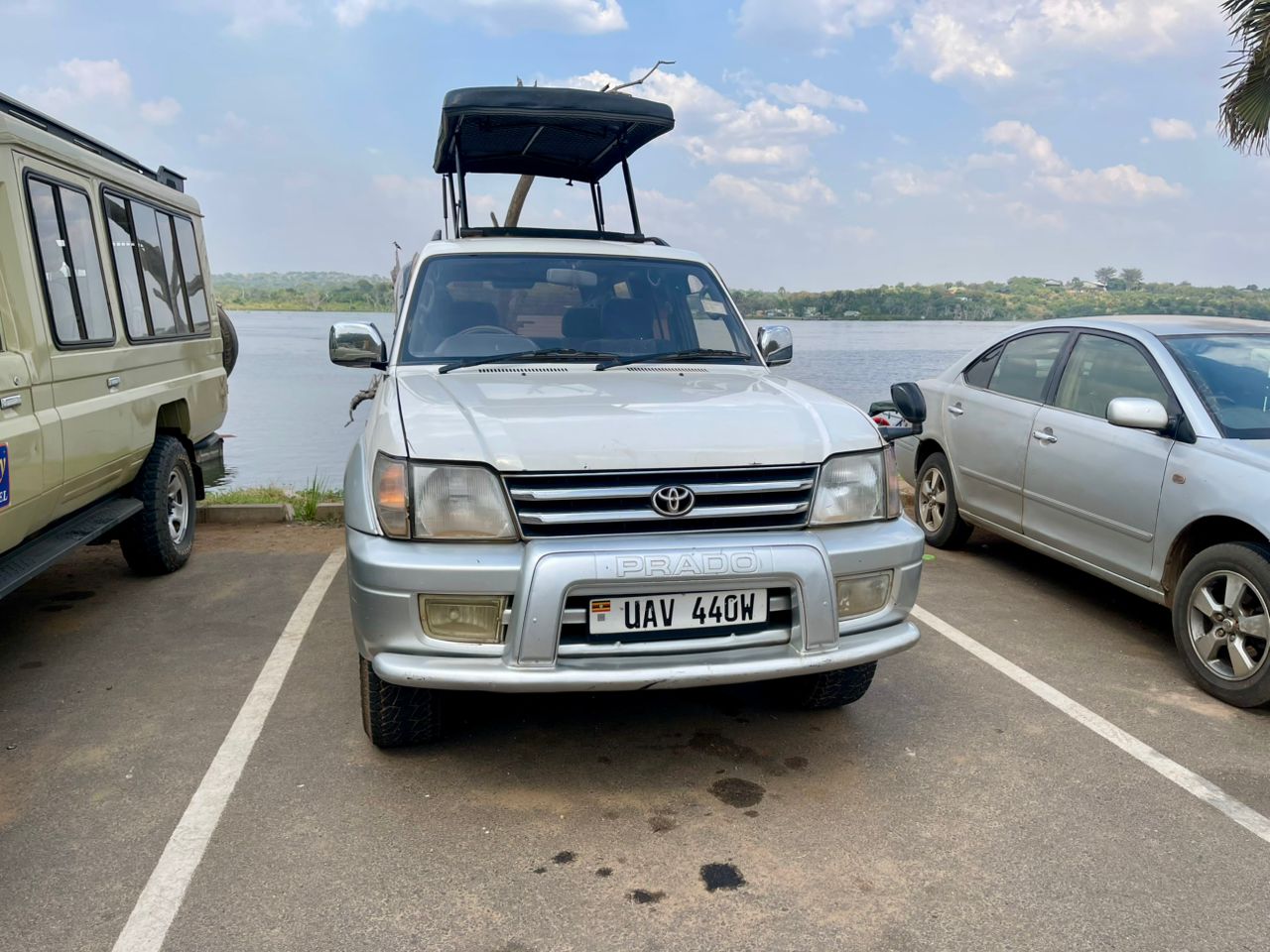
This elevated vantage point offers distinct advantages over safari vans. With higher ground clearance, you can see further over tall grass and bushland, making it easier to spot wildlife at greater distances. The stable platform created by the roof of the Land Cruiser also provides photographers with a solid surface for steadying cameras and telephoto lenses—essential when capturing that perfect shot of a leopard in the golden hour light.
Built for Uganda’s Rugged Terrain
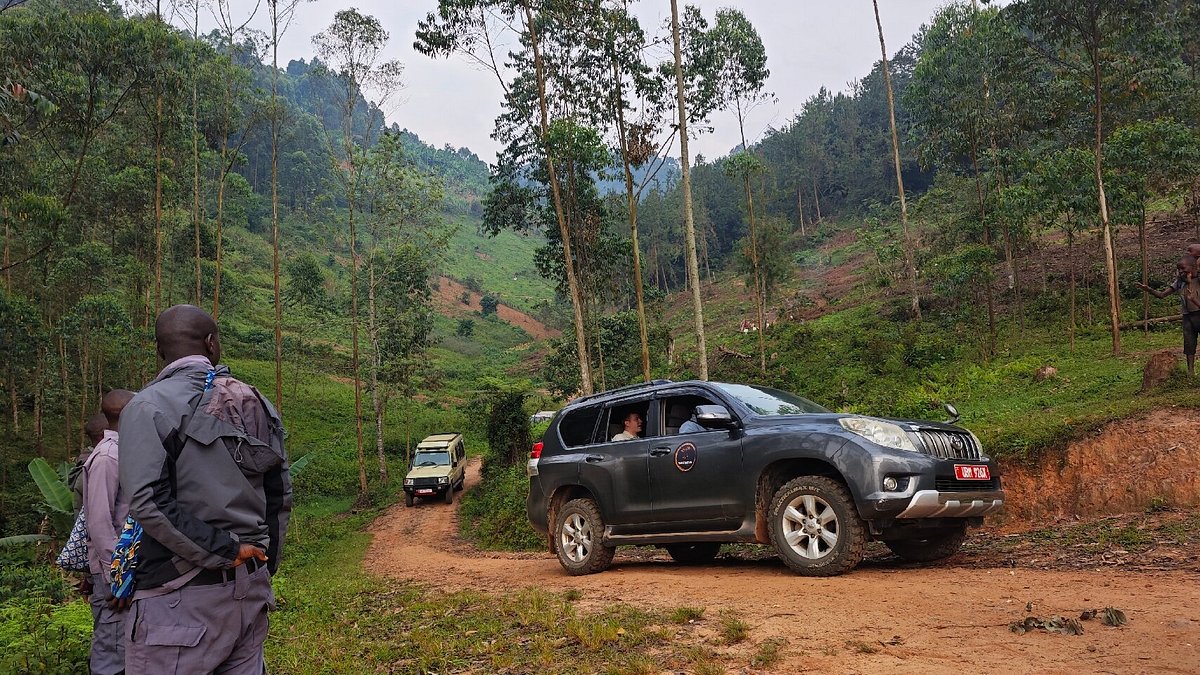
Uganda’s national parks offer some of Africa’s most spectacular landscapes, but they also present challenging terrain. From the rutted tracks of Murchison Falls to the muddy approaches during wet season in Queen Elizabeth National Park, the roads demand a vehicle built for serious off-road capability.
The Pop-up roof Land Cruiser’s full-time four-wheel drive system excels in these conditions. Unlike some vehicles that require manual engagement, Land Cruisers deliver power to all wheels continuously, providing superior traction on slippery mud, steep inclines, and river crossings. The high ground clearance—typically around 225mm—means you won’t get stuck on rocks or deep ruts that would stop lesser vehicles in their tracks.
The robust suspension system deserves special mention. Safari roads in Uganda can be punishing, with washboard surfaces that shake every bolt in poorly designed vehicles. Land Cruisers feature heavy-duty shock absorbers and reinforced suspension components specifically designed to smooth out these rough conditions, ensuring passenger comfort even during extended game drives. This matters enormously when you’re spending three to four hours bouncing along tracks searching for tree-climbing lions or rare shoebill storks.
Reliability is another critical factor. Land Cruisers come equipped with two spare tires—a practical necessity when sharp acacia thorns and rocky terrain threaten punctures. The heavy-duty tires themselves are less prone to damage than the thinner tires on safari vans, and the rugged undercarriage can withstand impacts that would sideline other vehicles. When you’re two hours deep into Kidepo Valley National Park with a herd of elephants blocking the only road out, you want a vehicle you can trust completely.
Comfort Features That Matter on Long Safaris
Game drives in Uganda typically begin at dawn and can last until mid-morning, with afternoon drives stretching into sunset. That’s a lot of time in a vehicle, making comfort features critically important to your overall safari experience.
The spacious interior of a Land Cruiser provides significantly more room than safari vans. Window seating for six to seven passengers means everyone gets prime viewing positions, with ample legroom for stretching out during the quieter moments between wildlife sightings. The wider body also allows passengers to move around more freely—crucial when you need to switch sides quickly because a leopard has appeared on the opposite side of the vehicle.
Most rental Land Cruisers in Uganda come equipped with thoughtful amenities. A cooler box keeps drinks refreshingly cold during hot midday hours in the savanna. Power outlets allow you to charge camera batteries, phones, and other devices—essential when you’re shooting hundreds of photos per day. Some vehicles feature inverters for powering laptops or other electronics. Air conditioning provides relief during transfers between parks, though most of the time you’ll have the pop-up roof open to maximize wildlife viewing and photography opportunities.
The elevated seating position doesn’t just help with game viewing—it also improves ventilation. Even with the roof raised, the breeze flows through the cabin, keeping temperatures comfortable without excessive dust intrusion. During the cooler early morning drives, you can lower the roof partially or close windows as needed, then open everything up as the day warms.
Superior Game Viewing Experience
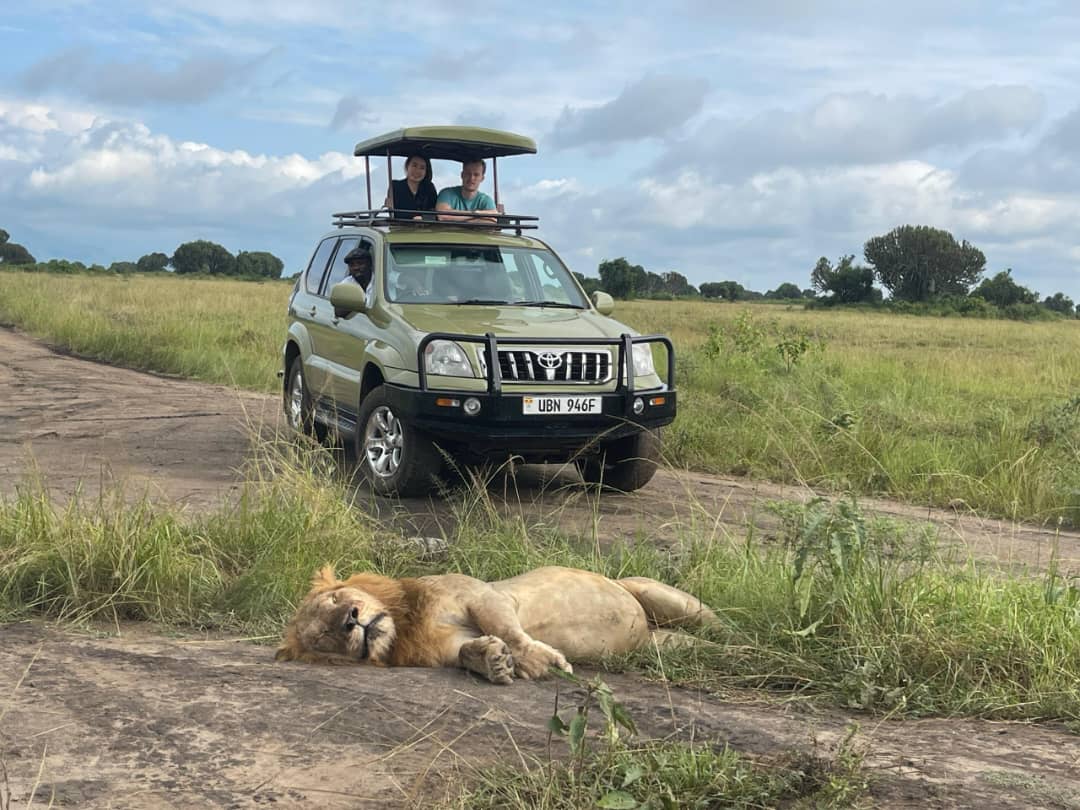
The true test of any 4×4 safari vehicle in Uganda is how well it facilitates wildlife encounters, and here the pop-up roof Land Cruiser truly shines. The 360-degree viewing capability means no one misses the action. When your guide spots a pride of lions resting in the shade, every passenger can stand, position themselves optimally, and capture their own photographs without jostling for limited space.
The elevated perspective fundamentally changes the game viewing experience. From a seated position in a safari van, tall grass can obscure smaller animals like warthogs, jackals, or young antelopes. Standing in a Land Cruiser’s pop-up roof puts your eyes roughly 2.5 to 3 meters above ground level—high enough to see over most vegetation while still remaining at a level that doesn’t alarm the animals.
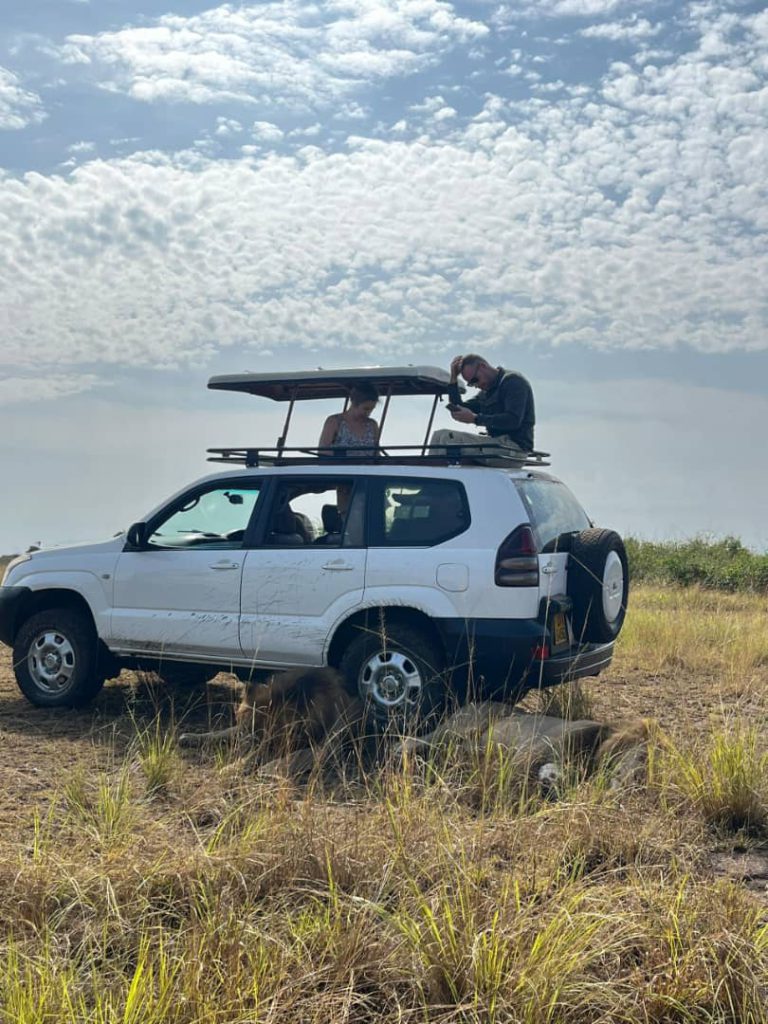
This height advantage proves especially valuable in Uganda’s savanna parks. In Queen Elizabeth National Park’s Kasenyi Plains, where Uganda kobs graze in vast herds, the elevated view allows you to scan across hundreds of animals to spot the lions stalking through the grass. In Murchison Falls, the ability to see further means you’ll notice distant elephant herds or Rothschild’s giraffes sooner, giving your guide time to position the vehicle perfectly for viewing and photography.
The pop-up roof also provides better angles for photography. Rather than shooting through glass windows (which can cause glare and reflections) or the limited opening of a roof hatch, you have unrestricted access to photograph in any direction. The roof itself serves as a stable brace for telephoto lenses, reducing camera shake that can ruin otherwise perfect wildlife shots.
Safety and Protection
While getting close to wildlife is thrilling, safety must always be the priority. The pop-up roof design balances these concerns brilliantly. You’re elevated enough for excellent viewing but protected within the vehicle’s structure—crucial when a curious buffalo approaches or when elephants decide to cross the road directly in front of you.
The enclosed cabin protects against various hazards safari-goers might not initially consider. During the rainy season, sudden downpours can appear within minutes. A pop-up roof can be lowered quickly, keeping passengers dry and comfortable. The roof also provides protection from the intense equatorial sun—important for preventing sunburn during extended viewing sessions.
Wildlife safety protocols require staying inside the vehicle at all times during game drives. The pop-up roof allows you to stand and move around within this safe zone, satisfying the natural urge to get closer without actually leaving the vehicle’s protection. This design has been refined over decades of African safari operations and represents the optimal balance between wildlife viewing and visitor safety.
Rental Considerations and Costs
Understanding the economics helps you make an informed decision. Pop-up roof Land Cruisers in Uganda typically rent for $150-$200 USD per day with a driver-guide, excluding fuel. Extended models (seating 7-9 passengers) cost slightly more, around $200-$250 per day. While safari vans might seem appealing at $60-$80 per day, the difference in experience is substantial.
Most rental companies include a professional driver-guide in this rate—typically $40 per day when calculated separately. These guides bring invaluable expertise: they know animal behavior, optimal viewing times, and where wildlife congregates seasonally. A good guide can make the difference between a mediocre safari and an extraordinary one, and they’re trained specifically to operate Land Cruisers in challenging park conditions.
Fuel is almost always excluded from the daily rate and adds another cost to consider. Land Cruisers consume approximately 13-15 liters per 100 kilometers (roughly 7-8 km per liter), meaning a typical day of game drives plus transfers might use 30-50 liters of diesel depending on the park and routes. At current Ugandan fuel prices, budget an additional $40-$70 per day for fuel.
When comparing costs, remember that group travel in a Land Cruiser becomes more economical. A vehicle seating 6-7 passengers means the per-person daily cost drops significantly when traveling with family or friends. Compare this to booking multiple smaller vehicles or individual seats in safari vans, and the Land Cruiser often proves more cost-effective for groups while delivering a far superior experience.
Self-Drive vs. Guided Options
Rent 4×4 Car Uganda and other reputable operators offer both self-drive and guided safari options in Land Cruisers. Each has distinct advantages:
Guided Safaris: The driver-guide navigates, leaving you free to focus entirely on wildlife viewing and photography. Guides communicate via radio with other drivers, sharing information about animal locations—crucial for finding lions, leopards, and other elusive species. They understand animal behavior, park regulations, and optimal routes. For first-time safari-goers or those prioritizing wildlife sightings, guided drives are strongly recommended.
Self-Drive Safaris: Experienced drivers who want complete control over their schedule might prefer self-drive. You can spend as long as you want at sightings, explore at your own pace, and create your own itinerary. However, this requires confidence navigating unmarked tracks, knowledge of park regulations, and acceptance that you might miss animals that guides would have found. Self-drive also requires defensive driving skills for challenging terrain and wildlife encounters.
Most rental companies require drivers to be at least 23 years old with a valid license and preferably some 4×4 experience. They’ll provide detailed briefings on operating the vehicle, engaging 4WD systems, and park-specific information before you depart.
Booking and Preparation Tips
To ensure you get the best Land Cruiser for your safari:
Book Early: During peak seasons (June-September and December-February), quality vehicles get reserved months in advance. Aim to book at least 8-12 weeks before your planned travel dates.
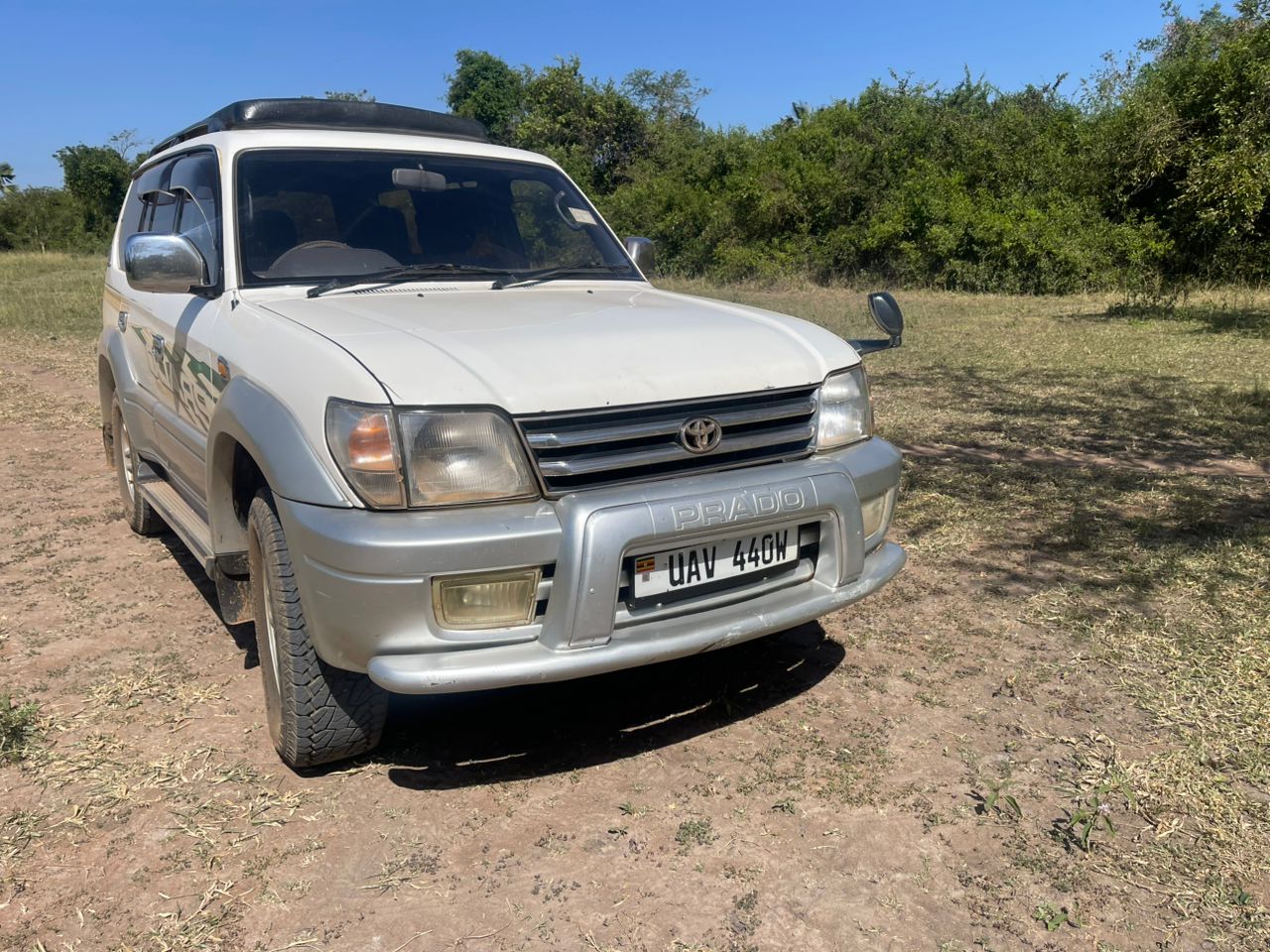
Verify Vehicle Features: Confirm the specific features of your vehicle. All pop-up roof Land Cruisers should include: functional 4WD, two spare tires, cooler box, power outlets, first aid kit, fire extinguisher, and tools. Ask for recent photos of the actual vehicle, not just stock images.
Inspect Before Departure: When collecting your vehicle, thoroughly inspect it. Check tire condition, test the 4WD engagement, ensure the pop-up roof operates smoothly, and verify all safety equipment is present. Document any existing damage with photos.
Pack Appropriately: Bring layers for early morning drives when temperatures can be surprisingly cool, plus sun protection (hat, sunscreen, sunglasses) for standing in the pop-up roof. A light rain jacket handles sudden showers. Binoculars enhance wildlife viewing, and a camera with a telephoto lens (at least 200mm, preferably 400mm+) captures those memorable moments.
Why the Land Cruiser Remains the Standard
After decades of safari operations across East Africa, the Land Cruiser with pop-up roof has proven itself the optimal 4×4 vehicle for Uganda’s game drives. It combines rugged off-road capability with passenger comfort, superior viewing positions with safety, and reliability with practical features. While it costs more than budget alternatives, the enhanced experience, greater wildlife sighting success, and peace of mind justify the investment for serious safari-goers.
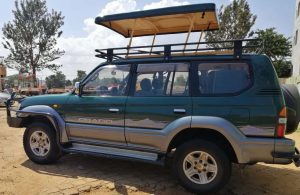
Whether you’re photographing tree-climbing lions in Ishasha, tracking elephants through Murchison’s Albert Delta, or marveling at the vast herds of Kidepo Valley, a pop-up roof Land Cruiser puts you in the best possible position to experience Uganda’s incredible wildlife. For a trip of a lifetime, choosing the right vehicle isn’t just important—it’s essential.
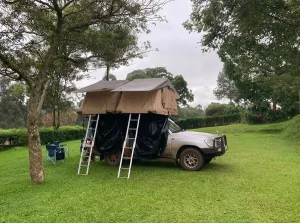
To rent a pop-up roof Land cruiser in Uganda for self drive camping safari adventure- simply contact us now by sending an email to info@rent4x4caruganda.com or calling us on +256-700135510 to speak with the reservations team.

Related Posts