Choosing the right 4x4 for a Uganda safari is one of the most important decisions…
How to Cross from Uganda to Rwanda or Kenya with Rental Car

Exploring East Africa by road offers travelers an unparalleled opportunity to experience the region’s stunning landscapes, diverse wildlife, and vibrant cultures at their own pace. If you’re planning a cross-border adventure from Uganda to Rwanda or Kenya with a rental car, understanding the requirements and procedures will ensure a smooth journey. Here’s everything you need to know about making these international crossings.
Understanding Cross-Border Rental Policies
Before embarking on your journey, the most critical step is confirming that your rental company permits cross-border travel. Not all car rental agencies in Uganda allow their vehicles to cross international borders, and those that do often charge additional fees. When booking your rental, explicitly state your intention to cross into Rwanda or Kenya. The rental company will provide you with essential documentation, including a cross-border authorization letter, which border officials will require.

Expect to pay a cross-border fee, typically ranging from $50 to $200 depending on the rental company and destination country. This fee covers insurance extensions and administrative costs. Some agencies may also require a higher security deposit for international travel.
Essential Documentation
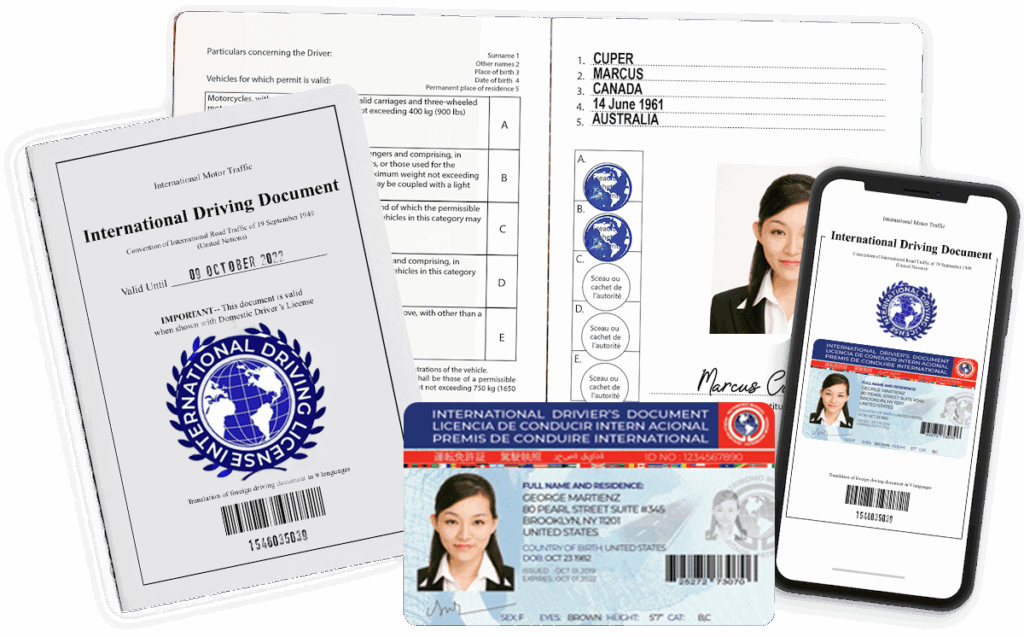
Proper documentation is crucial for hassle-free border crossings. You’ll need your valid passport, driver’s license (an international driving permit is strongly recommended), the vehicle’s registration documents, comprehensive insurance papers covering all countries you’ll visit, and the rental agreement with cross-border authorization.
Most importantly, ensure your vehicle has valid insurance for the countries you’re entering. Your rental company should arrange this, but verify coverage details before departing. Third-party insurance is mandatory in all East African countries, and you may need to purchase additional coverage at the border if your existing policy doesn’t extend to your destination.
Crossing from Uganda to Rwanda
The most popular border crossing between Uganda and Rwanda is at Katuna/Gatuna, located approximately 420 kilometers from Kampala. This crossing is particularly convenient for travelers heading to Kigali or visiting Volcanoes National Park for gorilla trekking.
The border operates daily from early morning until late evening, though crossing during peak hours (mid-morning to mid-afternoon) may involve longer wait times. The process involves several steps: presenting your documents at the Ugandan exit point, obtaining an exit stamp, driving to the Rwandan entry point, completing immigration formalities, arranging vehicle insurance if needed, and receiving customs clearance.
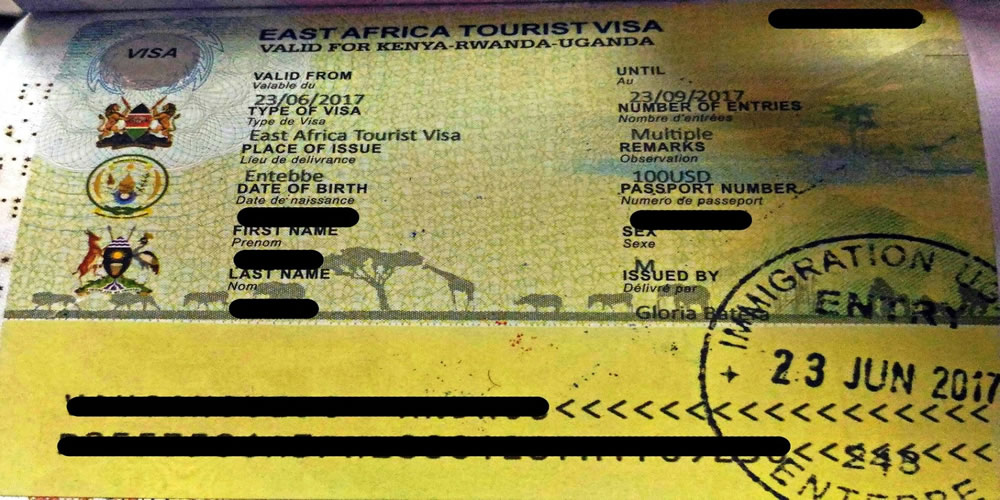
Rwanda requires a Tourist visa for most nationalities, which costs $50 for a single-entry visa valid for 30 days. Fortunately, you can obtain this visa on arrival at the border. However, applying online beforehand through Rwanda’s e-visa system can save time. The East African Tourist Visa, which costs $100 and allows multiple entries into Uganda, Rwanda, and Kenya for 90 days, is an excellent option for travelers planning to visit multiple countries.
The road from Katuna to Kigali is well-maintained and takes approximately two hours. Rwanda’s strict traffic regulations include mandatory seatbelt use, no mobile phone use while driving, and zero tolerance for plastic bags.
Crossing from Uganda to Kenya
Uganda shares several border crossings with Kenya, with Busia and Malaba being the most commonly used. Both are located in eastern Uganda and provide access to Nairobi, Mombasa, and Kenya’s renowned national parks.
The Busia crossing is often preferred for its relatively efficient processing, while Malaba can experience heavy commercial traffic, particularly during weekdays. Both borders operate 24 hours, but crossing during daytime hours is advisable for safety and convenience.
The crossing procedure mirrors that of Rwanda: exit formalities in Uganda, immigration clearance in Kenya, vehicle documentation verification, and customs procedures. Kenya also offers visa-on-arrival for most nationalities at $50, or you can apply for an e-visa in advance through Kenya’s e-visa portal.
Your rental vehicle must have a valid Comesa Yellow Card, which is a third-party motor vehicle insurance scheme recognized across East Africa. Most reputable rental companies will provide this, but confirm before your trip. If not included, you can purchase it at the border, though it’s often more expensive than arranging it in advance.
Practical Tips for a Smooth Journey
Start your border crossing early in the day to allow ample time for potential delays. Border procedures can take anywhere from 30 minutes to several hours depending on traffic and efficiency. Carry sufficient cash in US dollars for visa fees, insurance, and any unexpected charges, as card payment facilities may not always be available.
Keep all your documents organized and easily accessible. Border officials will ask to see them multiple times throughout the crossing process. Having photocopies of essential documents is also wise.
Be prepared for vehicle inspections. Officials may check your rental car for proper documentation, safety equipment, and occasionally for contraband. Ensure your vehicle has a functional fire extinguisher, warning triangle, and first aid kit, as these are often required.
Finally, maintain patience and politeness with border officials. A friendly demeanor and cooperation will make the process smoother. With proper preparation and documentation, crossing from Uganda to Rwanda or Kenya with a rental car can be straightforward, opening up incredible possibilities for your East African adventure.
Planning to book a cross-border car rental in Uganda to Rwanda or Kenya, simply contact us now by sending an email to info@rent4x4caruganda.com or call us now on +256-700135510 to speak with the reservations team.

Related Posts