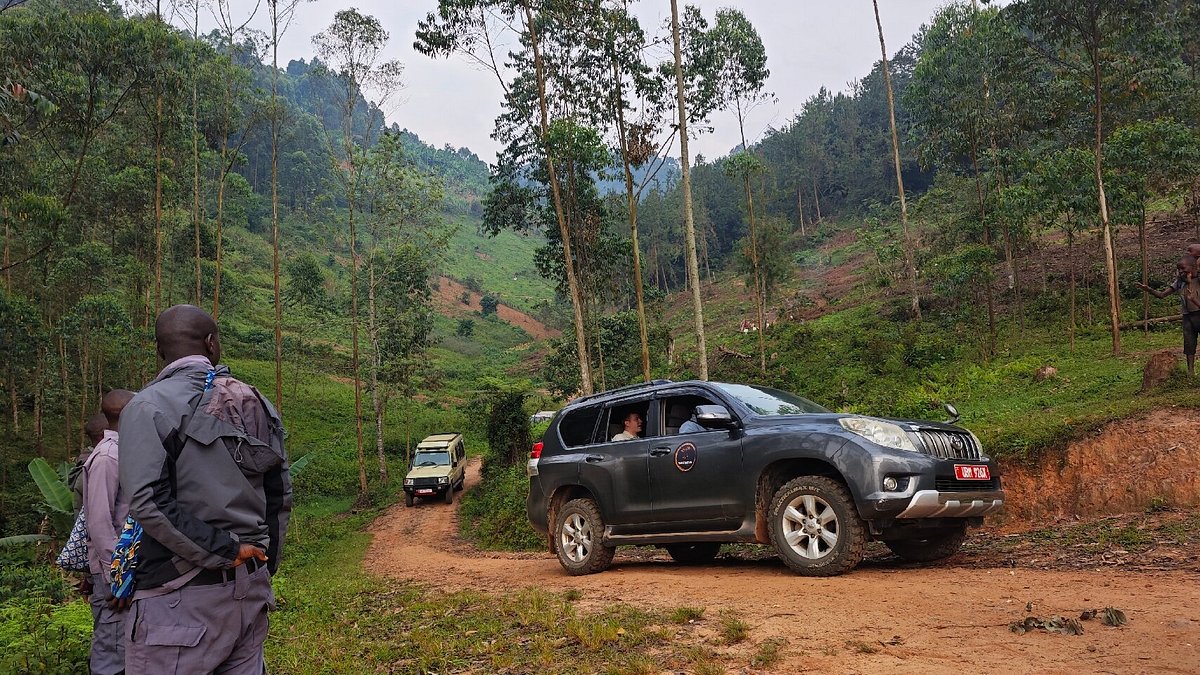
Driving in Kampala has a reputation for being intense, and it is true that the…
Uganda 4×4 Rental Guide: Best Deals & Tips (2026)
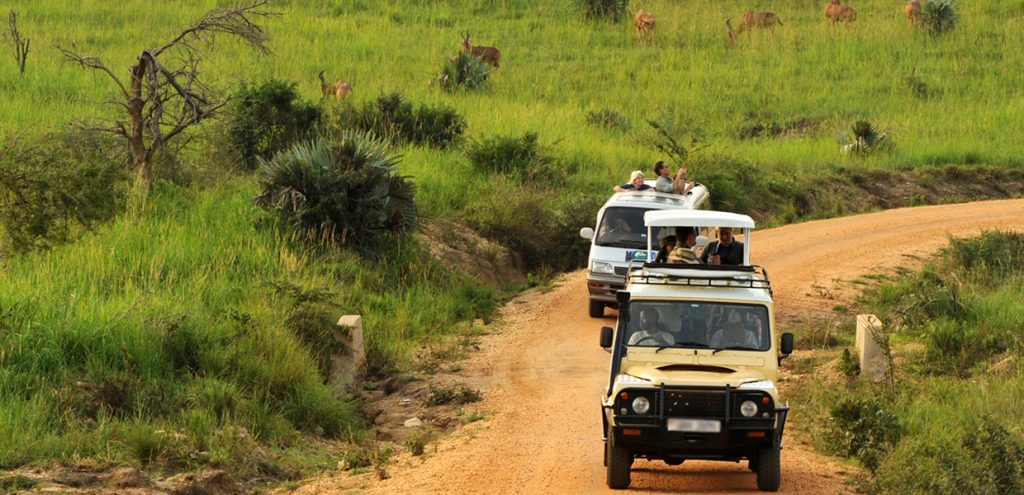
Uganda is one of the few places in East Africa where renting your own 4×4 and driving yourself into the bush is genuinely realistic — not just a marketing line. English is the official language, the core road network connecting Kampala and Entebbe to the major parks is manageable, and traffic thins out fast once you’re past the capital. Whether you’re chasing gorillas in Bwindi, tree-climbing lions in Ishasha, or the Nile at Murchison Falls, the vehicle you choose will shape your entire trip. Here’s what it actually costs, what you need, and how to get the best deal.
Why a 4×4 Is Non-Negotiable
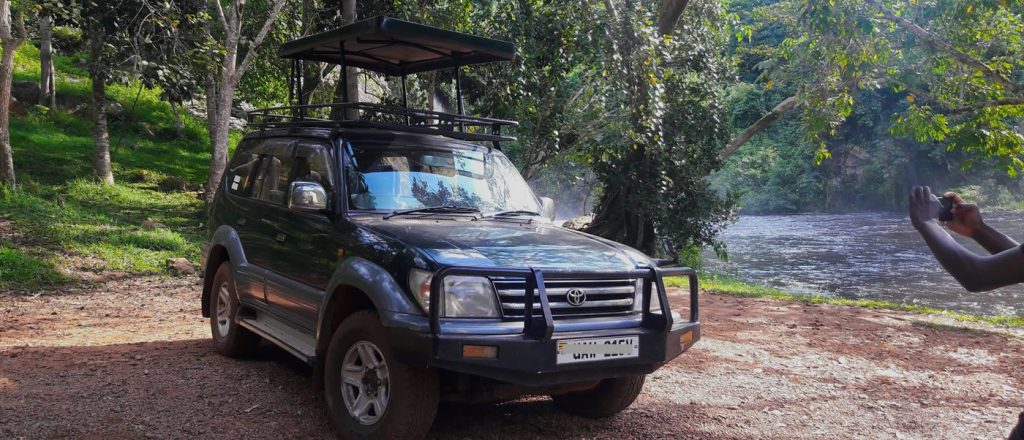
A regular sedan will get you between towns on tarmac, but it won’t survive Uganda’s park roads. The rainy seasons (roughly March–May and September–November) turn murram tracks to mud, mountain routes to gorilla-trekking trailheads climb steep and rutted, and river crossings show up on remote circuits. High clearance and low-range 4WD aren’t luxuries here — they’re the difference between reaching Bwindi Impenetrable National Park and getting stuck outside it.
How Much Does a Uganda 4×4 Rental Cos?
Pricing depends heavily on vehicle type, whether you self-drive or hire a driver-guide, and the season. Here’s roughly how it breaks down in 2026:
| Vehicle / Option | Typical Daily Rate (excl. fuel) |
|---|---|
| Budget self-drive (Toyota RAV4, small 4×4) | $35 – $60 |
| Mid-size self-drive 4×4 (Land Cruiser Prado, pop-up roof) | $80 – $130 |
| Self-drive with rooftop tent & camping gear | $85 – $130 |
| Driver-guided safari Land Cruiser (extended/premium) | $150 – $250 |
Across nearly every operator, a driver-guide adds somewhere in the range of $25–35 to the daily rate, which covers their meals, allowance, and accommodation while they’re on the road with you. On paper, self-drive comes out cheaper — but that gap shrinks once you weigh in risk. For longer safaris, remote parks, larger groups, or first-time visitors, a driver often ends up costing about the same overall once you account for the time saved, fewer wrong turns, and avoided breakdown or damage costs.
Fuel is almost never included in these rates. Budget separately — diesel and petrol have both been running around UGX 6,000–6,600 per litre in 2026. On a multi-park circuit, fuel can add up to a real chunk of your total spend, so weigh it into your comparison between vehicle classes rather than judging purely on the headline daily rate.
Seasonal Pricing
Rates move with demand. June–September and December–February are peak travel months and rentals get pricier; the shoulder months (particularly April–May and November) tend to run noticeably cheaper. If your dates are flexible, this is one of the easiest ways to cut costs.
Self-Drive vs. Driver-Guided: Which Should You Choose?
This is the decision that really shapes your budget and your trip.
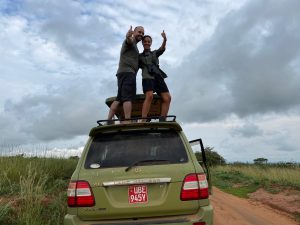
Self-drive suits you if you’re an experienced driver comfortable with left-hand traffic (Uganda drives on the left, British-style), you’ve handled unpaved African roads before, your trip is long enough that the daily savings add up meaningfully, or you’re a repeat visitor who already knows the routes. For solo travelers and couples on trips of a week or less, self-drive is typically the cheaper option in pure money terms, provided you’re confident behind the wheel and go in with a clear-eyed view of the insurance risk.
A driver-guide suits you if it’s your first Uganda trip, you’re headed somewhere logistically demanding like Bwindi, or you’d simply rather have a local handle breakdowns, navigation, and checkpoints. For gorilla trekking especially, having a driver who knows exactly when to leave and how to hit an early, precise arrival at the park gate takes a lot of stress out of the day. It’s also the default option if you don’t meet a company’s minimum age or licensing requirements.
What You Need to Rent a 4×4 in Uganda
Requirements vary a bit between companies, but the common threads are:
- Minimum age: Most operators set the bar at 23, and some raise it to 25 specifically for 4×4 and safari vehicles.
- Driving experience: Many companies also want to see at least two years of active driving history.
- International Driving Permit (IDP): Strongly recommended for every foreign visitor, and required outright by most reputable companies. Arrange it in your home country before you fly — it can’t be issued once you’ve landed.
- Passport and deposit: You’ll need a passport or national ID for the contract, plus a refundable security deposit (usually held against a credit card) that’s released once the vehicle comes back undamaged.
- A written rental agreement: Get mileage limits, fuel policy, and damage/excess liability spelled out in writing before you sign anything.
If you’d rather skip the whole licensing checklist, hiring a driver-guide sidesteps it entirely — a valid passport is generally all you need, since the company’s driver is the one actually behind the wheel.
Insurance and Hidden Costs to Budget For
This is where a lot of first-time renters get caught out. Self-drive rentals typically call for a refundable deposit of $200–500 depending on the vehicle, and basic insurance often carries an excess — the amount you’re on the hook for before cover kicks in — that can run from $300 up to $1,000 or more on 4x4s. The bigger catch: a good number of budget policies exclude damage sustained off tarmac, which matters enormously in Uganda, since almost every safari route runs on unpaved roads. Before you book:
- Confirm in writing that off-road and park driving are actually covered by the policy — not just that “insurance is included.”
- Ask what the excess is, specifically, rather than accepting a vague answer.
- If your route dips into Rwanda, Kenya, or Tanzania, budget extra time and money — often an additional $50–150 for cross-border permits and paperwork — and get written confirmation the company actually allows cross-border travel before you plan around it.
- Carry cash. Card readers are showing up in more places, but connectivity inside the parks is unreliable enough that Ugandan shillings and small-denomination dollars are still the safer default for entry fees, camping fees, and tips.
Best Routes for a Self-Drive 4×4 Rental Trip
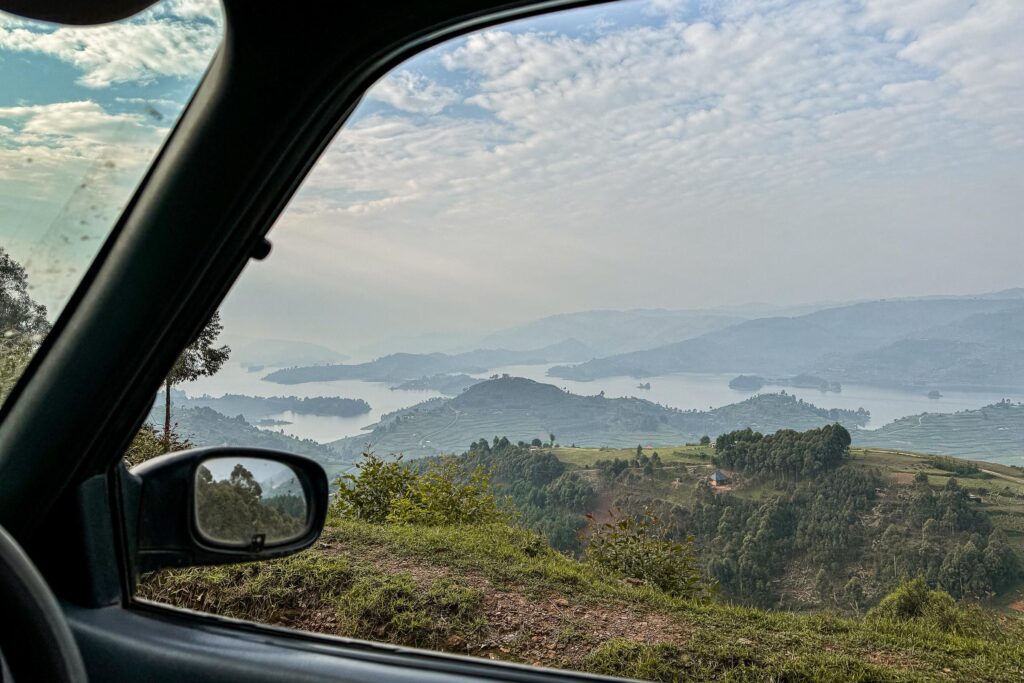
The most popular circuit links Kampala with Queen Elizabeth National Park, the tree-climbing lions of Ishasha, and Bwindi Impenetrable National Park, usually routed through Fort Portal’s crater-lake region and the Rwenzori foothills. A high-clearance 4×4 with low-range capability is essentially mandatory on this route, and Bwindi gorilla-trekking permits need to be booked well ahead through the Uganda Wildlife Authority. Travelers with two weeks or more often stretch this into a full circuit that also takes in Murchison Falls in the north and Lake Mburo in the east.
Tips for Getting the Best Uganda 4×4 Rental Deal
- Book direct where possible. Local Uganda-based operators often undercut international booking platforms, and there’s usually more room to negotiate on longer rentals.
- Travel shoulder season. April–May and November rates run noticeably lower than the June–September and December–February peaks.
- Compare the whole package, not just the day rate. A cheaper vehicle with a high insurance excess and no off-road cover can end up costing far more in a worst-case scenario than a slightly pricier, fully-covered rental.
- Ask about one-way rentals if your itinerary crosses into Kenya, Rwanda, or Tanzania — some companies let you pick up in one country and drop off in another.
- Sort your IDP before you leave home. It’s one of the few requirements you genuinely can’t fix after you’ve arrived.
- Match the vehicle to the route. A budget RAV4 is fine on well-graded park roads; steep, muddy, or remote routes (Kidepo, the Rwenzoris, deep Bwindi tracks) call for a proper Land Cruiser or Prado with low-range 4WD.
The Bottom Line
A Uganda 4×4 rental can run anywhere from around $35 a day for a no-frills self-drive RAV4 to $250 a day for a fully guided, extended safari Land Cruiser — and almost every quote you’ll see excludes fuel, deposits, and insurance excess. The right call comes down to your driving experience, trip length, and how much you value having a local expert behind the wheel when the road turns to mud outside a national park gate. Whichever way you go, lock in your IDP early, read the insurance fine print closely, and book ahead if you’re traveling in peak season.

Related Posts