Driving in Kampala has a reputation for being intense, and it is true that the…
Uganda Self-Drive Safari Packing List: What to Carry in 4×4
Packing for a safari you drive yourself is different from packing for a guided tour. You are your own navigator, mechanic, and picnic planner, and the nearest shop may be hours away. Pack too little and a flat tyre or an empty water bottle becomes a problem. Pack too much and your 4×4 turns into a rolling storage unit with no room for passengers.
This Uganda self drive safari packing list covers everything worth carrying: documents, clothing, vehicle essentials, food and water, camera and tech gear, camping equipment, and safety items. Use it as a checklist and adjust for your route, season, and group size.
Note: Requirements and availability change. Confirm current entry rules, park regulations, and what is included with your rental company before departure.
Quick Answer: The Top 10 Essentials
If you remember nothing else, pack these:

- Passport, visa, and yellow fever certificate
- Driving licence and International Driving Permit
- Cash in Ugandan shillings and small US dollar notes
- Offline maps and a power bank or car charger
- Drinking water (at least 3 litres per person per day)
- Snacks and a cool box
- Sun protection: hat, sunglasses, sunscreen
- Rain jacket and warm layer
- Binoculars and camera
- First-aid kit and insect repellent
Documents and Money
Keep documents in a waterproof pouch within easy reach, not buried in the boot.

- Passport with at least six months’ validity and blank pages
- Uganda e-visa printout or digital copy
- Yellow fever vaccination certificate, which is required for entry
- Driving licence and, ideally, an International Driving Permit
- Rental agreement, insurance papers, and vehicle registration (usually kept in the car)
- Travel and medical insurance details, including emergency numbers
- Park and permit confirmations, such as gorilla or chimp permits, printed and on your phone
- Lodge and booking confirmations
- Cash: Ugandan shillings for fuel, snacks, parking, and tips, plus clean, recent US dollar notes as backup
- Cards: Visa and Mastercard are accepted in cities and many lodges, but not in rural areas or at every fuel station
Tip: Photograph or scan all documents and store copies in cloud storage.
Clothing for Uganda’s Climate
Uganda sits on the equator but has varied altitudes, so temperatures range from hot savannah days to chilly mornings in the highlands.
Core Clothing
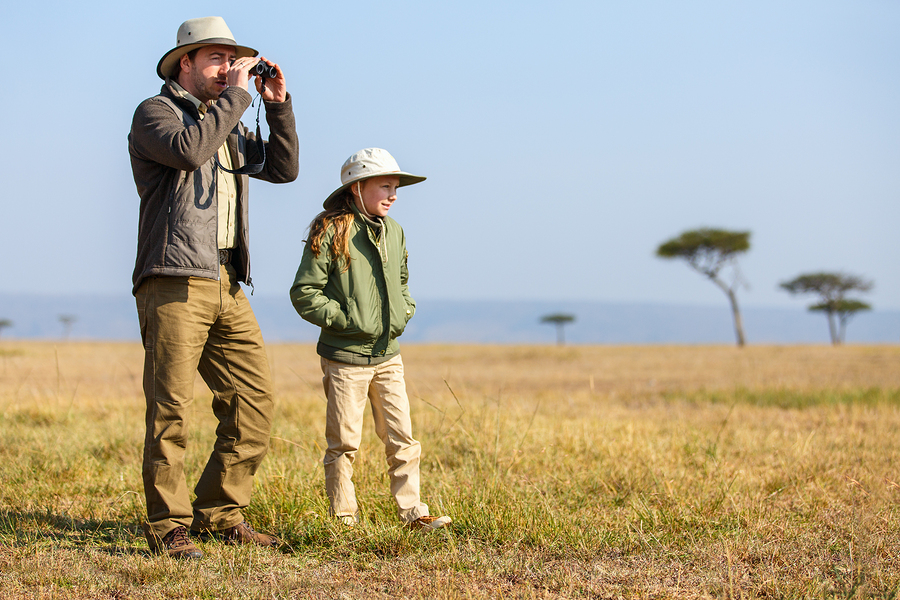
- Neutral-coloured shirts and trousers in khaki, green, or beige (avoid bright colours and dark blue or black, which attract tsetse flies)
- Lightweight long-sleeved shirts for sun and insect protection
- Shorts or a light skirt for lodge time and hot days
- Warm fleece or jumper for early game drives and cool evenings
- Waterproof jacket, essential year-round
- Sleepwear
- Underwear and socks for the whole trip, plus extras
Footwear
- Comfortable closed shoes or trainers for driving and game viewing
- Sturdy waterproof hiking boots if you plan to trek gorillas or chimps
- Sandals or flip-flops for the lodge and shower
Accessories
- Wide-brimmed hat or cap
- Sunglasses with UV protection
- Buff or scarf for dust on murram roads
- Light gloves (gardening gloves are ideal for forest treks)
Tip: Pack light, quick-drying layers. Many lodges offer laundry service, so you rarely need more than 4-5 outfits.
Vehicle Essentials for Your 4×4
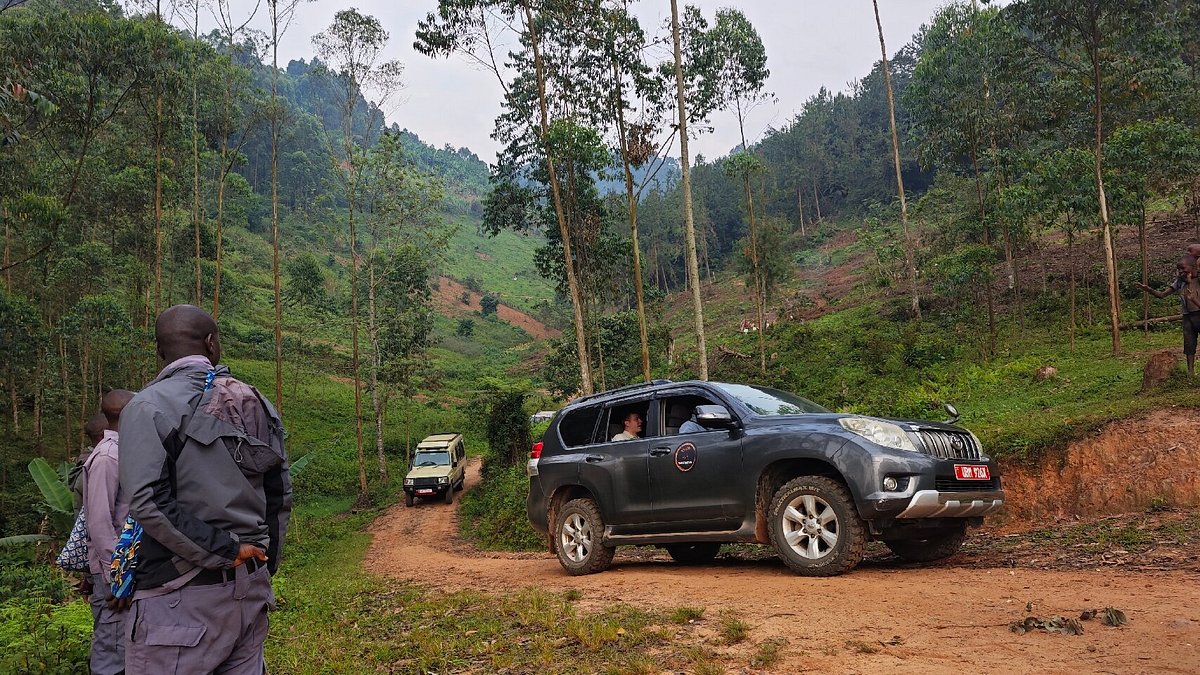
Your rental should come with basic equipment, but always check before you leave the office.
- Full-size spare tyre (two if heading to Kidepo or remote areas)
- Jack, wheel spanner, and tow rope
- Tyre pressure gauge and a small air compressor if available
- Jump leads
- Torch or headlamp with spare batteries
- Reflective triangle and fire extinguisher
- Basic toolkit
- Spare fuel can (20 litres), if allowed by your rental company
- Engine oil and coolant top-up
- Windscreen washer fluid
- Car charger and phone holder
- Rental company emergency contact number
Before you leave: Test 4WD and low range, check tyre condition and pressure, and confirm insurance and roadside assistance. Ask your rental team to show you where everything is stored.
Food, Water, and Cooler Box
Even on lodge-based trips, you will spend long hours between towns. Stock up in Kampala, Masaka, Mbarara, or Gulu before heading into remote areas.
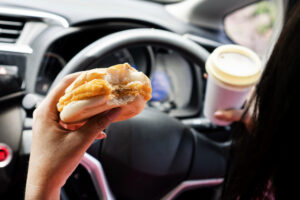
- Drinking water: at least 3 litres per person per day, with extra for remote routes
- Reusable water bottles and a large refillable jug
- Snacks: nuts, biscuits, fruit, energy bars, and crackers
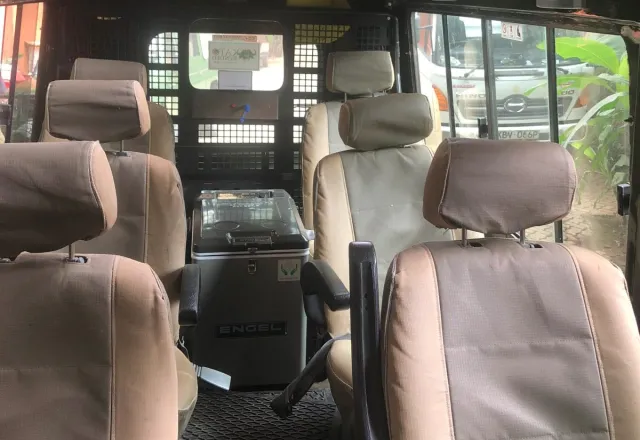
- Cool box or 12V car fridge with ice packs
- Sandwich ingredients or ready-to-eat meals for picnic lunches
- Instant coffee, tea, and sugar if you have a kettle or stove
- Rehydration salts
- Bin bags to keep your car clean and to leave no trace in parks
Tip: Fresh fruit, chapati, samosas, and roasted maize are widely available at roadside stalls and make cheap, tasty snacks.
Camera, Tech, and Navigation
- Camera with a zoom lens (200-400mm is ideal for wildlife)
- Spare batteries and memory cards
- Binoculars, ideally 8×42 or 10×42
- Phone with offline maps (Google Maps or Maps.me) downloaded for your route
- Power bank and 12V car charger with USB ports
- Universal adapter: Uganda uses UK-style Type G plugs (240V)
- Dust-proof camera bag and lens cloths
- Beanbag or window mount for steadying your camera in the car
- Local SIM card or eSIM for data and calls
- Portable Wi-Fi or satellite communicator for very remote trips
- Notebook and pen for wildlife lists
Tip: Keep camera gear in a padded bag on the seat, not in the boot, since murram roads shake everything.
Health, Hygiene, and First Aid
Medical facilities are limited near parks, so carry a well-stocked kit.
- Antimalarial medication (consult your doctor well before travel)
- Insect repellent containing DEET or picaridin
- Sunscreen SPF 30 or higher, and lip balm
- First-aid kit: plasters, bandages, antiseptic, pain relief, antihistamines, and tweezers
- Rehydration sachets and anti-diarrhoea tablets
- Personal prescription medicines in original packaging, with extra supply
- Hand sanitiser and wet wipes
- Toilet paper and tissues
- Toiletries and a quick-dry towel
- Motion sickness tablets for winding hill roads
Tip: Sleep under a mosquito net where provided, and cover up at dusk.
Camping and Rooftop Tent Gear
If you are camping, most rental companies can supply the main equipment. Confirm what is included.

- Rooftop tent or ground tent
- Sleeping bags rated for cool nights (down to about 5-10°C in the highlands)
- Sleeping mats or foam mattresses
- Camping chairs and a folding table
- Gas stove, gas canister, and lighter
- Cooking pots, pan, plates, cups, and cutlery
- Washing-up bowl and biodegradable soap
- Headtorch and lantern
- Water container (20 litres)
- Camping towel and toiletries
- Pillows, which are easy to forget
Tip: Practise setting up your tent before you go. Fumbling at dusk in a remote camp is no fun.
Safety and Security Items
- Padlock or cable lock for luggage and bags left in the car
- Small daypack for park walks and treks
- Whistle and multi-tool
- Emergency contact list on paper and on your phone
- Basic road atlas as a backup to your phone
- Cash reserve hidden in a separate place
Never leave valuables visible in a parked vehicle, and lock the doors in towns.
Packing List by Trip Type
| Trip type | Extra items to add |
|---|---|
| Lodge-based savannah safari | Binoculars, light layers, camera gear |
| Gorilla or chimp trekking | Hiking boots, gaiters, gloves, rain gear, porter tip money |
| Camping safari | Tent, sleeping bags, stove, cooking kit, water container |
| Kidepo or remote north | Second spare tyre, extra fuel, satellite communicator |
| Family trip with children | Snacks, games, child seats, sun hats, wet wipes |
| Photography-focused trip | Long lens, beanbag, spare batteries, cleaning kit |
What Not to Pack
- Plastic bags: Uganda has banned single-use plastic bags, and they can be confiscated at the border. Bring reusable cloth bags instead.
- Camouflage clothing: Camouflage patterns are restricted in Uganda and should be avoided.
- Drones: These require a permit and are generally not allowed in national parks.
- Too much luggage: Soft duffel bags pack more easily in a 4×4 than hard suitcases.
- Bright or black and dark blue clothing: These attract insects, and bright colours can disturb wildlife.
Practical Tips for Packing Your 4×4
- Use soft bags rather than hard suitcases to maximise space.
- Keep heavy items low and central in the vehicle for better stability.
- Pack a “grab bag” with water, snacks, documents, and a jacket within reach.
- Store fragile items and camera gear in the cabin, not the boot.
- Separate clean and dusty gear with packing cubes or bags.
- Weigh your luggage. Prado and V8 vehicles have generous space, but a RAV4 fills quickly.
- Leave room for souvenirs and market shopping.
Final Thoughts
A well-planned Uganda self-drive safari packing list keeps you comfortable, safe, and ready for anything the road offers. Focus on the essentials: documents, water, sun and rain protection, vehicle basics, and a decent first-aid kit. Everything else is a bonus.
With the right gear and a dependable 4×4, you are free to enjoy Uganda’s wildlife and scenery at your own pace.
Book Your Safari 4×4 Rental
Need a reliable 4×4 fully equipped for your Uganda self-drive safari? Our team can provide vehicles with rooftop tents, camping gear, spare tyres, and more, and will help you plan your route and prepare a clear quote for your dates.
📧 Email: info@rent4x4caruganda.com
📞 Phone / WhatsApp: +256-700135510
Contact us today for a personalized self-drive safari quote.

Related Posts